|
 |
 | | | | | | |||||||||||||||||||||||||||||||||||||||||||||||||||||||||||||||||||||||||||||||||||||||||||||||||
| | | You are in: UK | |||||||||||||||||||||||||||||||||||||||||||||||||||||||||||||||||||||||||||||||||||||||||||||||||||
|
| | Monday, 13 January, 2003, 20:16 GMT Changing faces at The Sun  Mr Yelland was editor for nearly five years
Ever since his days as a tyro newspaper proprietor in Australia in the 1950s Rupert Murdoch has been notorious for the unceremonial way he hires and fires his editors. "I give my editors plenty of freedom," he once said. "The only ones I fired were the ones who didn't know how to use it." David Yelland of the Sun is the latest Murdoch editor to find himself out of the hot seat in a move which seems to have come as a surprise to his staff and to his successor - if not to Yelland himself. On this occasion the victim apparently jumped as much as he was pushed, even if the immediate timing may not have been entirely of his choosing.
His wife has also been seriously ill, and combining the demanding editorship of a daily newspaper with nursing a sick spouse can't have been easy. In the statement announcing his departure Rupert Murdoch heaped praise on him. "David has had five fabulously successful years in the chair at the Sun," he said. "He bows out with an increasing circulation and with even greater distance between the Sun and its competition." Not everyone would agree with that. The Sun has sometimes lacked the extraordinary fizz and sparkle it enjoyed under Yelland's predecessor-but-one, Kelvin Mackenzie. Gay slur Yelland's approach was to soften the paper. Early in his reign he published a front page headline asking: "Is Britain being run by a gay mafia?" after it emerged that several members of the Cabinet were gay. A storm of protest followed, and Yelland conceded that he might have made a mistake. The Sun has since abandoned the homophobia which characterised it during the 1980s.
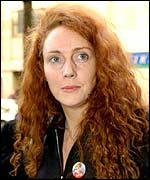
After 11 September it ran a two-page feature headlined, "Islam is not an evil religion", surprising many with its evident desire to damp down rather than inflame tensions. Trevor Kavanagh, the paper's long-standing political editor, today said Yelland had moved the paper away from the "ragged-edged journalism of the past" towards a more balanced approach. Yelland himself believed a more tolerant, less rabid Sun better reflected the changing nature of a generally more tolerant society and readership. No fear Yelland's successor, Rebekah Wade, has proved to have all the qualities of a successful tabloid editor at the Sun's stablemate, the News of the World. And she is certainly not afraid of controversy, as the paper's "naming and shaming" campaign, calling for changes to the law on paedophilia, showed. She is well-connected in the worlds of TV and celebrity from her days as a showbiz journalist herself and from her marriage to TV star (and former East Ender) Ross Kemp.
But the News of the World's enthusiastic coverage of Cheriegate has not endeared her to Alastair Campbell, Downing Street's director of communications, or to Tony Blair. Nonetheless Downing Street will be wooing her fiercely. Keeping the support of The Sun - with its huge readership and presumed ability to influence voters - has been a priority for Campbell since well before the 1997 election. David Yelland's paper has even been accused recently of being too close to New Labour: under Wade that is unlikely to change. Name and shame Some things she may find more difficult than deciding the Sun's political line. When she was deputy editor of the paper a few years ago she challenged Yelland to scrap Page 3. He didn't, though she did get the raunchiness of the pictures and the captions toned down a little. Recently they've become raunchier again.
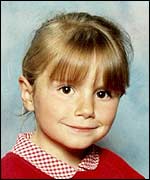
She has published plenty of nude pictures in the News of the World. And she has presided over a raucous, campaigning newspaper which has made other papers' headlines almost as often as creating its own. Among her scoops: Prince Harry's drug-taking, Angus Deayton's sex-and-cocaine sessions with a prostitute and the "fake sheikh" sting which led ultimately to Sophie Wessex's departure from business life. Mistakes But that was also one of her failures: the paper's chief investigative reporter, Mazher Mahmood, dressed up as a Middle Eastern sheikh to lure Sophie and her then-partner, Murray Harkin, into implied admissions that her royal connections could be used to the benefit of clients of their PR agency. But after Buckingham Palace approached the paper the scoop was shelved, and replaced with an exclusive interview in which Sophie told readers, "My Edward isn't gay." It was left to rival papers to reveal what Sophie had allegedly said to the News of the World's reporter and Wade's paper had to play embarrassing catch-up a week later. Her most controversial campaign was the naming and shaming of paedophiles and the paper's support for what it called "Sarah's Law", in memory of Sarah Payne: the right of parents to know when convicted paedophiles were living in their area. The campaign provoked violence and vigilante attacks, and was widely criticised in the media, but Wade stuck to her guns. Those who have worked with her says she is extremely sharp, utterly dedicated and hugely ambitious. She is also (like Yelland) a retiring type who never gives interviews, preferring to let her newspaper - or her assistants - speak for her. From tomorrow the Sun becomes her mouthpiece. | | See also:  13 Jan 03 | UK 24 Jun 98 | Politics 24 Jun 98 | UK 12 Nov 98 | UK 26 May 99 | UK Top UK stories now: Links to more UK stories are at the foot of the page. | |||||||||||||||||||||||||||||||||||||||||||||||||||||||||||||||||||||||||||||||||||||||||||||||||
 | |
|  E-mail this story to a friend E-mail this story to a friend |
| |
| Links to more UK stories |
| | | ||
 | ||||
 | | Back to top
| ||
| ---------------------------------------------------------------------------------- To BBC Sport>> | To BBC Weather>> | To BBC World Service>> ---------------------------------------------------------------------------------- © MMIII | News Sources | Privacy |






 Rebekah Wade, has proved to have all the qualities of a successful tabloid editor