|
 |
 | | | | | | ||||||||||||||||||||||||||||||||||||||||||||||||||||||||||||||||||||||||||||||||||||||||||||||||||||||||||||||||||||||||||||||||||||||||||||||||||||||||||||
| | | You are in: UK | ||||||||||||||||||||||||||||||||||||||||||||||||||||||||||||||||||||||||||||||||||||||||||||||||||||||||||||||||||||||||||||||||||||||||||||||||||||||||||||||
|
| | Thursday, 2 January, 2003, 16:04 GMT The risks of navigating the Channel 
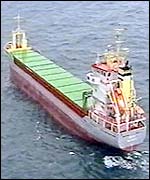
The Tricolor lies in one of the world's busiest shipping lanes. Up to 400 vessels a day pass through the English Channel - and continue to do so despite the sunken ship in the way.
It is as if the wreckage of a car crash has been left on the M25 but the traffic continues to flow. The Turkish oil tanker, the Vicky, would have had plenty of warnings of the obstacle. An half-hourly radio warning is being broadcast from Dover and the French coastguards at Cross Griz-Nez. There are also announcements being made on the maritime distress calling frequency. Asked if the Vicky would have been monitoring this channel, a spokesman for the UK coastguard said "one would hope so". The wreck is also marked by five warning buoys, one of which is specially designed to give out a bright reflection on ships' radar screens, and throw up a warning symbol. A French warship, the Flamand, is patrolling the area. Human error Antoine Goulley, from the French maritime prefecture in Cherbourg says: "The markers should have been seen by a trained sailor. "In this case the Vicky should have known the position of the shipwreck.
"The ship had got in contact with the navy patrol ship the Flamand just before the collision and it is not known why the tanker continued on its route towards the shipwreck." The investigation into the accident, being carried out by French and Belgian authorities, is likely to focus on the possibility of human error. Given the number of warnings, it seems inconceivable that someone on the ship was not aware of the danger. Maritime sources say one of the things the investigators will want to know is if the position of the Tricolor was marked on the Vicky's charts for the area.
They will also examine the standard of crew training. This is not the first time there has been a series of collisions involving a sunken ship. In 1971 a 12,000 ton Peruvian freighter crashed into a Panamanian tanker off Folkestone and sunk. The following day a German ship hit the wreck and it too went down. Coastguards positioned an array of lights and buoys but within weeks a Greek vessel also collided with the two sunken ships and sunk. In fact, the number of collisions in the Channel has fallen over the last two decades. In 1977 a system of two-way traffic lanes was introduced, which has helped. In 1999 a new set of rules requiring ships to report in to coastguard stations at regular intervals was set up. To help investigate accidents, many ships now have to carry black box recorders. But in the Channel there are freighters heading north and south, ferries heading east and west, and even sailing boats in among the bigger vessels. The risk of a collision will never go away. | |
See also:  02 Jan 03 | UK Internet links: The BBC is not responsible for the content of external internet sites Top UK stories now: Links to more UK stories are at the foot of the page. | ||||||||||||||||||||||||||||||||||||||||||||||||||||||||||||||||||||||||||||||||||||||||||||||||||||||||||||||||||||||||||||||||||||||||||||||||||||||||||||
 | |
|  E-mail this story to a friend E-mail this story to a friend |
| |
| Links to more UK stories |
| | | ||
 | ||||
 | | Back to top
| ||
| ---------------------------------------------------------------------------------- To BBC Sport>> | To BBC Weather>> | To BBC World Service>> ---------------------------------------------------------------------------------- © MMIII | News Sources | Privacy |






 Given the number of warnings, it seems inconceivable that someone on the ship wasn't aware of the danger