
|
 |
 | | | | | | ||||||||||||||||||||||||||||||||||||||||||||||||||||||||||||||||||||||||||||||||||||||||||||||||
| | | You are in: UK | ||||||||||||||||||||||||||||||||||||||||||||||||||||||||||||||||||||||||||||||||||||||||||||||||||
|
| | Wednesday, 18 December, 2002, 12:10 GMT Software that may have helped track Sarah's killer 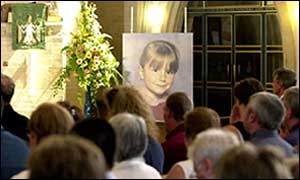 The death of Sarah Payne touched many
 Fearing that the case might be an abduction and/or sex murder, detectives contacted every force in the country for urgent information about possible suspects.
And bear in mind that this was three years after the Sex Offenders Register came into existence, supposedly as an essential tool in tracking dangerous criminals. Only one force was able to deliver the high-quality help which Sussex desperately needed. Lancashire police had already developed a computerised database of violent and sex offenders, which carried not merely names but up-to-date digital photos; the complete criminal history of the offender; his methods of operating; and current risk assessment. Using this, Lancashire officers identified eight possible suspects and interviewed and eliminated them from the Sussex inquiry within two hours of the request. This piece of software is the basis for a system called ViSOR (Violent Sex Offender Register) which may be one of the biggest advances in public protection for a generation when it is rolled out in England and Wales next year. Fall through cracks One of the government's claims is to have created a "joined-up" criminal justice system. True, big organisational changes have brought police, probation and the Crown Prosecution Service much closer together. But there are still glaring gaps. The police and probation services don't have joint IT systems, so information-sharing is often slow and haphazard.
When a sex offender moves from one area to another, the probation service puts out a warning bulletin but the police are not automatically notified. Helen Elliott, a senior probation officer for the London area, explains the problems: "At the moment, information on offenders is held on the Police National Computer but we don't have access to it. "So in order to do our job, we have to pester our police colleagues to get it. And a warning bulletin about a dangerous offender is compiled differently in different areas. There is no standardisation." 'Shut it!' How might ViSOR help? The Police National Computer merely tells you an offender's name, last known address and the crimes for which he or she has been convicted. It doesn't even say whether they are on the Sex Offenders Register.
If a rapist is in the habit of shouting "shut it, slag" when attacking a victim - this is a real example - that, too, can be retained in the database. Many sex offenders change their appearance when they are about to commit another crime. The software allows numerous images to be retrieved and compared. By spring 2004, it is expected that every police force and probation area in England and Wales will be using ViSOR. And other agencies such as the prison service, HM Customs, even social services, are casting envious eyes and will no doubt make a claim to be included at a later date. Given that around 25,000 people have been convicted of offences of violence since Sarah Payne was murdered, it is an advance which is long overdue. | | See also:  02 Oct 02 | Politics 14 Nov 02 | UK 21 Dec 01 | Newsmakers Internet links: The BBC is not responsible for the content of external internet sites Top UK stories now: Links to more UK stories are at the foot of the page. | ||||||||||||||||||||||||||||||||||||||||||||||||||||||||||||||||||||||||||||||||||||||||||||||||
| |
|  E-mail this story to a friend E-mail this story to a friend |
| |
| Links to more UK stories |
| | | ||
 | ||||
 | | Back to top
| ||
| ---------------------------------------------------------------------------------- To BBC Sport>> | To BBC Weather>> | To BBC World Service>> ---------------------------------------------------------------------------------- © MMIII | News Sources | Privacy |







 If a rapist is in the habit of shouting 'shut it, slag' that can go in the database