|
 |
 | | | | | | ||||||||||||||||||||||||||||||||||||||||||||||||||||||||||||||||||||||||||||||||||||||||||||||||||||||||||||||||||||||||||||||||||||||||||||||||||||||||||||||||
| | | You are in: UK | ||||||||||||||||||||||||||||||||||||||||||||||||||||||||||||||||||||||||||||||||||||||||||||||||||||||||||||||||||||||||||||||||||||||||||||||||||||||||||||||||||
|
| | Monday, 9 December, 2002, 10:26 GMT Reports criticise Damilola inquiry 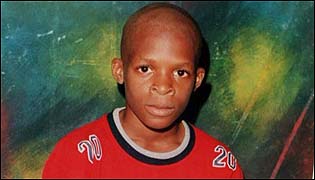 Damilola bled to death in a stairwell in south London Serious flaws in the investigation into the murder of schoolboy Damilola Taylor are expected to be highlighted by two reports released on Monday. They are thought to say that fundamental changes are needed in the way murder cases are handled by police and the Crown Prosecution Service (CPS). Police are expected to be accused of taking their eye off the ball following the initial arrests, failing to check evidence and failing to ensure the case was water-tight.
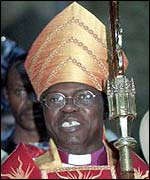
The Bishop of Birmingham, John Sentamu, led the investigation into the role of police and the report on the role of the CPS was led by the Director of Public Prosecutions, Sir David Calvert-Smith. Witness Bromley BBC crime correspondent Neil Bennett said the reports were likely to make recommendations about the handling of young, vulnerable witnesses. The police and the CPS were widely condemned for relying so heavily on the evidence of a 14-year-old girl, known as Witness Bromley, which was thrown out when she was shown to have lied.
He said it appeared as though little time had been spent cross-checking her evidence against known facts or examining hours of videotaped interviews with her. "I think there was an anxiety to get a prosecution ongoing as soon as possible... the police felt embarrassed and guilty after the way they had negligently handled the Stephen Lawrence inquiry," Mr Griffiths said. Liberal Democrats home affairs spokesman Simon Hughes said police had been under pressure to get people in the dock "to the exclusion of intelligent and sensible assessment of the evidence". Under strength The reports are also likely to focus on whether the police released too many detectives from the inquiry after the suspects had been charged, and what effect that had on the quality of evidence at the trial. Metropolitan Police Commissioner Sir John Stevens has already alluded to under-staffing in the force's murder squads as a potential factor in what went wrong in the case. The squads were under strength by between 400 and 600 officers at the time which meant that the huge Damilola inquiry could not be sustained after the four suspects had been charged. According to the Observer newspaper the findings will include claims that there were mistakes in the "post-charge" process by both sides which led to the case's collapse. The police failed to disprove key evidence that one of the suspect's mobile phones had been used nearly two miles away from the spot where Damilola was stabbed, no more than seven minutes later. Detectives missed the fact that it would have been possible for the teenager to have been at the scene of the 10-year-old's killing and make the call by simply taking a short cut across a park. | |
  See also: 16 Jul 02 | UK 27 Apr 02 | England Internet links: The BBC is not responsible for the content of external internet sites Top UK stories now: Links to more UK stories are at the foot of the page. | ||||||||||||||||||||||||||||||||||||||||||||||||||||||||||||||||||||||||||||||||||||||||||||||||||||||||||||||||||||||||||||||||||||||||||||||||||||||||||||||||
| |
|  E-mail this story to a friend E-mail this story to a friend |
| |
| Links to more UK stories |
| | | ||
 | ||||
 | | Back to top
| ||
| ---------------------------------------------------------------------------------- To BBC Sport>> | To BBC Weather>> | To BBC World Service>> ---------------------------------------------------------------------------------- © MMIII | News Sources | Privacy |