
|
 |
 | | | | | | |||||||||||||||||||||||||||||||||||||||||||||||||||||||||||||||||||||||||||||||||||||||||||||||||||||
| | | You are in: UK | |||||||||||||||||||||||||||||||||||||||||||||||||||||||||||||||||||||||||||||||||||||||||||||||||||||||
|
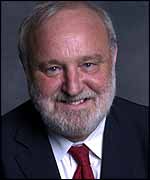
| | Wednesday, 4 December, 2002, 10:40 GMT Head to head: Student charges 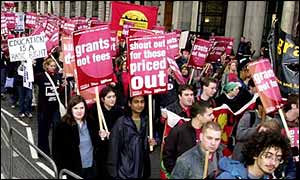 Fees could prevent poorer people going to university Students are protesting about government funding proposals which could see them paying large "top-up" tuition fees before starting their university courses. MPs are also split on the issue. Some believe students should not have to pay to learn, but others say the taxpayer cannot be expected to fund the current expansion in higher education. Frank Dobson, Labour MP and former cabinet minister  It seems to me inevitable that such fees would put off lots of potential students, particularly ones from badly off homes, but also ones on middling incomes. We've had the rector of Imperial College talking about �15,000 a year top-up fee - that's �45,000 over three years. There are lots of families in this country whose annual income is less than �15,000, and you're not telling me that their children wouldn't be put off applying.
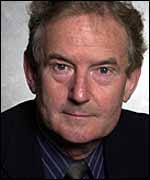
I don't see any reason why a graduate should have to pay extra money because their degree got them a higher income - there are all sorts of ways of getting higher incomes, and if you're getting higher incomes you pay more tax. If we've got very high top-up fees then the only people who will be able to go to the most prestigious and expensive universities would be rich Brits and rich foreign students. It would turn our university system into a marketplace. Up to now - at least in theory - all of them have been open to the people with the talent to go to them. In future we're going to get chequebook entry. We've got to avoid that at all costs.  Barry Sheerman, Labour MP and chairman of the Education Select Committee What Frank and I would agree on is that we've got wonderful ambitions for expanding universities, and keeping them world class, and getting more kids from working-class backgrounds in higher education. And if we don't like top-up fees, we have to come up with something else because it's a very big bill.
It's got to be paid for - is it through income tax, does the taxpayer pay, do we have a deferred loan system you pay back over time? I think the best way is a mixture. I was originally very keen, personally, to just increase the basic fee. If you increase the basic fee from �1,000 to �2,000 that would bring you in a good income. But I understand it's been polled and the soft Labour vote doesn't like it, so that isn't a runner. So the next step of course is, which all governments would prefer, to do it over time - your never-never system, as we used to call it. Some very interesting schemes are now emerging, [such as] taking up bonds so the money goes to the universities now and the student pays a financial institution over 15 or 20 years. Frank knows it's not going to come through general taxation, because the government has set its face against increasing income tax, so let's think of other creative answers. | |
See also:  04 Dec 02 | Education 04 Dec 02 | Scotland Internet links: The BBC is not responsible for the content of external internet sites Top UK stories now: Links to more UK stories are at the foot of the page. | |||||||||||||||||||||||||||||||||||||||||||||||||||||||||||||||||||||||||||||||||||||||||||||||||||||
| |
|  E-mail this story to a friend E-mail this story to a friend |
| |
| Links to more UK stories |
| | | ||
 | ||||
 | | Back to top
| ||
| ---------------------------------------------------------------------------------- To BBC Sport>> | To BBC Weather>> | To BBC World Service>> ---------------------------------------------------------------------------------- © MMIII | News Sources | Privacy |




 FORUM
FORUM Top-up fees


