|
 |
 | | | | | | ||||||||||||||||||||||||||||||||||||||||||||||||||||||||||||||||||||||||||||||||||||||||||||||
| | | You are in: UK | ||||||||||||||||||||||||||||||||||||||||||||||||||||||||||||||||||||||||||||||||||||||||||||||||
|
| | Wednesday, 6 November, 2002, 12:13 GMT Muslims urge national fast for charity 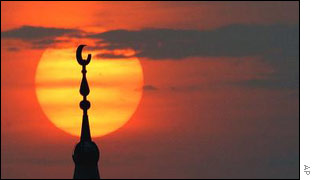 The sun sets for the last time before Ramadan in Kuwait
The organisers of Islam Awareness Week have called on Britons to spend all or part of Thursday 7 November fasting in an effort to foster closer ties between Muslims and other communities. The day of fasting aims to raise money for charities in the UK and abroad by helping people to spiritually focus on the needy. This week Muslims all over the world have begun a month of contemplation and fasting, one of the key obligations of their faith. Sher Khan, national organiser of Islam Awareness Week, said the aim of a day of national fasting was to help non-Muslims understand the importance Islam placed on helping the less fortunate. "We wanted to highlight a dimension of our faith that rarely gets a mention, but is something that Muslims have in common with other faiths," said Mr Khan.
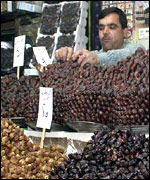
"A lot of people don't realise that Islam promotes charity and tolerance. This is our way of bringing this to light." Those wishing to take part in the fast did not necessarily have to go without food or drink for the entire day, said Mr Khan. What was more important was creating a sense of common contemplation between people of all backgrounds through the experience of fasting and charitable giving. The donations, which can be given online, will be shared between local charities, the Princes Trust (established by the Prince of Wales) and two overseas charities working with the Department for International Development (DFID). Ramadan requirements Ramadan is one of the five "pillars" of Islam. During the month, Muslims are expected to renew their faith and responsibilities to others. Fasting (known as Sawm) is seen as an exercise in spiritual self discipline and bodily purification. Muslims believe charitable giving during Ramadan completes the process by providing purification of daily life. There are exemptions from the fast in various circumstances, such as the very old, young, the ill or pregnant women. During Ramadan, observant Muslims rise and have a meal before dawn. As dawn breaks, they pray for the first time and begin the fast. The daily fast ends at sunset when, traditionally, Muslims will take a traditional snack such as dates before joining family or friends for a meal. The end of Ramadan is marked by Eid, the most important Islamic festival. | | Internet links:  The BBC is not responsible for the content of external internet sites Top UK stories now: Links to more UK stories are at the foot of the page. | ||||||||||||||||||||||||||||||||||||||||||||||||||||||||||||||||||||||||||||||||||||||||||||||
| |
|  E-mail this story to a friend E-mail this story to a friend |
| |
| Links to more UK stories |
| | | ||
 | ||||
 | | Back to top
| ||
| ---------------------------------------------------------------------------------- To BBC Sport>> | To BBC Weather>> | To BBC World Service>> ---------------------------------------------------------------------------------- © MMIII | News Sources | Privacy |