|
 |
 | | | | | | ||||||||||||||||||||||||||||||||||||||||||||||||||||||||||||||||||||||||||||||||||||||||||||||||||||||||
| | | You are in: UK | ||||||||||||||||||||||||||||||||||||||||||||||||||||||||||||||||||||||||||||||||||||||||||||||||||||||||||
|
| | Tuesday, 15 October, 2002, 11:49 GMT 12:49 UK The high price of low-cost airlines 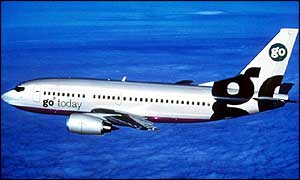
 Cheap air fares have broadened our travel horizons and spawned a trend for weekend breaks in exotic locations, but for the environment it is proving a nightmare.
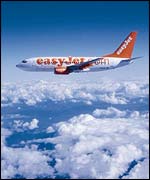
At the forefront of this revolution are the low-cost, no-frills carriers such as Ryanair, Easyjet and Buzz, which are growing at a phenomenal rate. In June, Easyjet passenger numbers were up more than 50% on the same month last year. Ryanair increased by 34% and Go saw an incredible 72% rise. The lesson learned from these airlines, especially post-11 September, is as clear as it is simple - the cheaper your fares, the more people will fly. The result has been a price war which has sucked in flag carriers such as British Airways. Now Easyjet is promising further price slashing, following its deal to buy 120 new planes. The company claims to have secured such a good deal, it will pass on cost-savings to passengers. All of which is great news for holidaymakers, who account for almost three-quarters of air passengers.
More flights mean bigger, busier airports, which in turn means more noise and growing problems with air quality for those who live and work close to airports. But perhaps the biggest concern is the effect on global warming. Burning aviation fuel releases carbon dioxide (CO2) into the environment, causing the Earth to heat up. Clouding the issue And aircraft burn a lot - one return flight from the United Kingdom to Florida produces, per passenger, as much CO2 as a year's driving by the average British motorist, according to environmental campaign groups.
The problem for environmentalists is that while efforts are being made to cut CO2 emissions from cars and industry, nothing is being done to rein in the airlines. While travellers in the UK do pay an Airport Passenger Tax, there is no tax on aviation fuel, which allows airlines to be wasteful. Also, no VAT is charged on airline tickets. Expectations raised The situation is unsustainable, says Simon Bishop, who is about to publish a report on sustainable aviation.
The tax advantages mean that, in effect, the aviation industry is being subsidised to the tune of about �6bn a year in the UK, he says. In 1992, 3.5% of global warming was attributed to flying, yet by 2050 the UN thinks this will rise to 7%. Optimists, including Easyjet, pin their hopes on technology to make planes more efficient. Easyjet is developing an environmental policy "based on buying new aircraft".
But progress here is being outstripped by the growth in passenger demands, says Mr Bishop. The result is that air travel will undo much of the good work done by the Kyoto protocol to curb pollution elsewhere. Easyjet also says rather than expanding the air travel market, it is attracting many passengers who would normally use other airlines. And it rejects the idea of a tax on aviation fuel, saying passengers are already pay through the airport tax. But if the environmental lobby get their way, in future we could be taking a few more holidays at home. Skegness anyone? Some of your comments so far: I've recently decided not to fly anymore - period. Holidays either at home on in European countries reachable by train are really the only potentially sustainable ones - there's no escaping that. This also means that popping back home (to Finland) to see friends and family is clearly no longer an option; but that's a no-can-do situation. So it's going to be fewer trips & rail travel for me. Hopefully I'll be able to keep my promise and never step on a plane again. I live in the South of France and telework for a company based in the UK. That way I am effectively in a holiday location all year around and travel very little. Although the author has a valid point, I'd like to know what he suggests as a replacement for all these "wasteful" flights? Blimps? Ships? There is absolutely no way that the UK is organised for low cost family holidays as a substitute for going overseas. The environment will not be a factor for 99% of people wishing to have a break. It costs me �57 to travel from London to Swindon for the weekend. For that price, I can travel to Germany and other destinations on the continent . As long as rail prices are this high, I will not holiday at home. Would you holiday at home to help the environment? | | See also:  05 Jul 02 | Business 14 Oct 02 | Business 29 Jul 02 | UK 12 Sep 02 | England 02 Jul 02 | UK 08 Aug 02 | Science/Nature Internet links: The BBC is not responsible for the content of external internet sites Top UK stories now: Links to more UK stories are at the foot of the page. | ||||||||||||||||||||||||||||||||||||||||||||||||||||||||||||||||||||||||||||||||||||||||||||||||||||||||
| |
|  E-mail this story to a friend E-mail this story to a friend |
| |
| Links to more UK stories |
| | | ||
 | ||||
 | | Back to top
| ||
| ---------------------------------------------------------------------------------- To BBC Sport>> | To BBC Weather>> | To BBC World Service>> ---------------------------------------------------------------------------------- © MMIII | News Sources | Privacy |