|
 |
 | | | | | | ||||||||||||||||||||||||||||||||||||||||||||||||||||||||||||||||||||||||||||||||||||||||||||||||||||||||||||||||||||||||||||||||||||||||||||||||||||||||||||||||||||||||||
| | | You are in: UK | ||||||||||||||||||||||||||||||||||||||||||||||||||||||||||||||||||||||||||||||||||||||||||||||||||||||||||||||||||||||||||||||||||||||||||||||||||||||||||||||||||||||||||||
|
| | Thursday, 26 September, 2002, 16:09 GMT 17:09 UK Making claims on the Royal purse  Royal finances were the topic of much debate
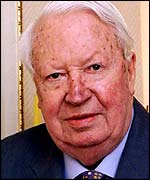
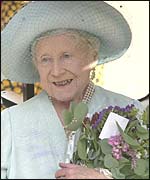
The story of how senior civil servants outflanked Buckingham Palace to prevent the Civil List from being inflation-proof is told in documents released by the Public Record Office. In 1970 one official told the then Prime Minister Edward Heath: "When you are trying to follow a restrictive policy on wages and salaries, it would be unfortunate to be appearing to give the Queen an automatic guarantee against inflation." In one rather unwise prediction about how much the royal family might need, one official predicted that the Queen Mother might die in 1975. In those days, the Queen was running out of money. The Civil List, which covers her official expenses, had been set at an annual rate of �475,000 at the start of her reign in 1952 but could not keep pace with the rapidly rising cost of living and was about to go into deficit for the first time. The Palace, in the person of the Lord Chamberlain Lord Cobbold, started a campaign to get the List linked to inflation and for the increases to be voted through Parliament each year almost automatically.
He said that this "would be the most satisfactory way of dealing with this problem for the rest of the reign." He predicted that it "would be widely accepted, though obviously there will be vocal criticism of, and opposition to, any solution." However, a powerful combination of senior civil servants did not agree. 'Controlling finances' A memorandum was drawn up in which the officials proposed to the prime minister that there could be annual votes for the money but that it should certainly not be index-linked. They too used the argument about index linking: "Governments have sought to discourage the principles of automatic index linking." They said the idea would be "excessively complicated" and, in any case, which index should be used? But beyond that, there is a sense in these files, and others from the same time, that the Palace had to be better controlled. It was the start, perhaps, of the process of reforming the royal finances. The civil service committee also wanted to trim any rise in annuities or salaries for the Queen Mother and the Duke of Edinburgh. Public and private The Queen Mother, they said, needed less because she would be doing less over the coming years and part of the Duke's expenses fell to the Royal Household. They also wanted a "sharper separation" of the Queens' private and public expenditures. They said that the Palace was not extravagant though not "particularly efficient".
Robert Armstrong, the prime minister's private secretary, added a dig at the Palace. It was "worried lest the Queen's popularity should diminish in her later middle years and that a review of her finances might fall due just when her popularity was at its nadir." Cobbold did not give up, irritating government officials who remarked that he was still "hankering after" his index linkage. He went directly to Mr Heath, who had only just been elected to office, saying that "we at the Palace" still hoped that ministers (i.e. not civil servants) would "have another look" at index linkage. Scrutiny Mr Heath and Lord Cobbold met on 27 July 1970. In his minutes, written the same day, Cobbold said he told the prime minister that a "majority of the public favoured a monarchy on the present scale." He also said he wanted a system which avoided a "general debate and questioning about the monarchy". Mr Heath had been well briefed by his officials and index linking did not progress. The prime minister even wondered if money from the Crown Estates (royal property given up in the 18th century in exchange for the Civil List) could be used. Armstrong struck this down as well, noting that leases in Regent Street, part of the Estates, were coming up for renewal and that it would be "embarrassing" if they were used to "maximize" the Queen's income. In the event, a new Civil List Act was passed two years later. The Civil List was increased but with more scrutiny and a process began which has led to much more openness about royal finances. | | See also:  04 Jul 00 | UK 04 Jul 00 | UK 09 Jun 02 | UK 26 Sep 02 | UK Internet links: The BBC is not responsible for the content of external internet sites Top UK stories now: Links to more UK stories are at the foot of the page. | ||||||||||||||||||||||||||||||||||||||||||||||||||||||||||||||||||||||||||||||||||||||||||||||||||||||||||||||||||||||||||||||||||||||||||||||||||||||||||||||||||||||||||
| |
|  E-mail this story to a friend E-mail this story to a friend |
| |
| Links to more UK stories |
| | | ||
 | ||||
 | | Back to top
| ||
| ---------------------------------------------------------------------------------- To BBC Sport>> | To BBC Weather>> | To BBC World Service>> ---------------------------------------------------------------------------------- © MMIII | News Sources | Privacy  |