|
 |
 | | | | | | |||||||||||||||||||||||||||||||||||||||||||||||||||||||||||||||||||||||||||||||||||||||||||||||||||||||||||||||||||||||||
| | | You are in: UK | |||||||||||||||||||||||||||||||||||||||||||||||||||||||||||||||||||||||||||||||||||||||||||||||||||||||||||||||||||||||||||
|
| | Thursday, 5 September, 2002, 07:49 GMT 08:49 UK UK accused of human rights abuse  "Shadow criminal justice system" now exists, says report The British Government has been accused of contravening human rights with the anti-terrorist laws established in the aftermath of the 11 September attacks. Amnesty International said the Anti-Terrorism Crime and Security Act, passed in November 2001, breached fundamental human rights. In a report published on Thursday, the charity attacks the power given to the home secretary to detain foreign nationals indefinitely, without charge or trial, if they are deemed to be a risk to national security. But the Home Office argues it is "entirely confident" the law is compliant with EU policy.
Amnesty is also demanding the release of terrorist suspects being held by the US at Camp X-Ray in Cuba, unless they are charged and tried. The group's report claims the home secretary's new power is "inconsistent with the right to liberty and security" guaranteed in the European Convention for the Protection of Human Rights. It says the Act effectively created "a shadow criminal justice system" devoid of a number of crucial safeguards present in the ordinary criminal justice system. It says those held under the law suffered "cruel, inhumane or degrading treatment" and cited Mahmoud Abu Rideh, a 31-year-old Palestinian refugee, who was allegedly punished for having a haircut. The report also claims:
Eleven people were held under the legislation but two have now left Britain. In July, the Special Immigration Appeals Commission (SIAC) ruled the law used to detain nine alleged international terrorists without trial breached the European Convention on Human Rights. They are now appealing against their detention.
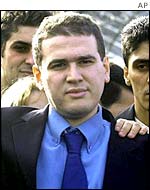
And in February, Lotfi Raissi, a 27-year-old Algerian was released after five months in Belmarsh prison. He was arrested under the Terrorism Act 2000 on the suspicion he may have been involved in the 11 September attacks. But a district judge ruled there was no evidence to substantiate his involvement in terrorism. The Amnesty report said: "The organisation is concerned that the case of Lotfi Raissi is a powerful illustration that the FBI's wide sweep in its hunt for conspirators in the attacks in the USA or for members of the al-Qaeda network, innocent people could get caught up, violating their rights and those of their relatives to liberty and livelihood."
There is concern for the seven UK nationals held at Camp X-ray in Guantanamo Bay, who face indefinite detention without the prospect of charge or trial. Amnesty claims the men are in "legal limbo", without the right to counsel, limited contact with their families and facing the death sentence. It calls for the UK Government to press the US for an independent and impartial court, without the threat of the death penalty, if the Britons are charged. A spokesman for the Home Office said: "We are confident that the Anti-Terrorism, Crime and Security Act is compliant with the European Convention on Human Rights. "Where we are currently unable to deport people precisely because of our human rights obligations under the ECHR, we are faced with two options." He said these were "either to allow people we suspect of being involved in terrorism and who pose a threat to our national security to go free in the UK; or to detain them, with the right to appeal and judicial oversight, until such time as we are able to deport them". | |
See also:  31 Jul 02 | UK 30 Jul 02 | UK 01 Jul 02 | UK 30 Jul 02 | UK 14 Dec 01 | Politics 14 Dec 01 | Politics Internet links: The BBC is not responsible for the content of external internet sites Top UK stories now: Links to more UK stories are at the foot of the page. | |||||||||||||||||||||||||||||||||||||||||||||||||||||||||||||||||||||||||||||||||||||||||||||||||||||||||||||||||||||||||
| |
|  E-mail this story to a friend E-mail this story to a friend |
| |
| Links to more UK stories |
| | | ||
 | ||||
 | | Back to top
| ||
| ---------------------------------------------------------------------------------- To BBC Sport>> | To BBC Weather>> | To BBC World Service>> ---------------------------------------------------------------------------------- © MMIII | News Sources | Privacy |