|
 |
 | | | | | | ||||||||||||||||||||||||||||||||||||||||||||||||||||||||||||||||||||||||||||||||||||||||||||||||
| | | You are in: UK | ||||||||||||||||||||||||||||||||||||||||||||||||||||||||||||||||||||||||||||||||||||||||||||||||||
|
| | Thursday, 29 August, 2002, 19:16 GMT 20:16 UK Fears for asylum seekers' safety 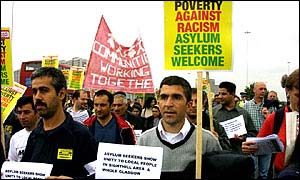 The murder of a refugee led to protests in Glasgow
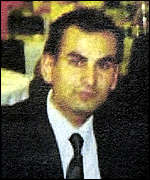
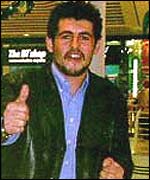
It's more than a year since the UK witnessed the murder of a Kurdish asylum seeker on the Sighthill estate in Glasgow. Now, it may have happened again, with the death of an Iranian man, Tayman Bahmani, in Sunderland. Police say that the stabbing to death of Mr Bahmani, 30, was racially motivated, and there are reports that there have been other incidents of abuse against asylum seekers in the city. It was the death of 25-year-old Firsat Dag in Glasgow that, according to campaigners, began to reveal the extent of abuse faced by refugees living in some parts of the UK.
At the trial of Mr Dag's killer, Scott Burrell, the prosecution withdrew the charge that the crime was racially motivated. But after Burrell's conviction and jailing for murder, tensions remained high in the city and further a field. Mr Dag was one of many asylum seekers moved to Glasgow under the controversial national dispersal plan. Initiatives to ease tensions At the time of his death, some 1,500 asylum seekers were living in the city.
The social conditions of the area had played a great part. Some accused the city council of favouring asylum seekers over locals when it came to new housing and help. The different communities were not mixing. Many of the asylum seekers had a poor grasp of English. This did not bode well for the settlement of the incomers. Since the killing, the local authorities in Glasgow have attempted to ease tensions. Earlier this year, Sighthill hosted its first multicultural festival with more than 70 different nationalities represented. Violence elsewhere But the tragic case of Mr Dag is not isolated and there have been pockets of violence in other cities. Two years ago, asylum seekers were moved from Hull to Sheffield after being attacked. In March 2001, a 24-year-old Kosovo Albanian asylum seeker, Fetah Marku, was stabbed to death in a "vicious" attack in London.
In June this year, a group of asylum seekers in Wigan, Greater Manchester, were moved for their own safety after their home was firebombed. Most recently, there been reports of racist attacks from south-west England, one of the new areas to host asylum seekers. Rise in attacks While each of these incidents is shocking in itself, it is almost impossible to establish the true level of attacks against asylum seekers. Many of those who are attacked are reluctant to come forward - not least if they have a distrust of police based on experiences in their own countries. Secondly, dispersal means that support organisations have also had to change and expand to reach all those moved out of the south-east. This has proved far from easy. Suresh Grover, of the Monitoring Group, an organisation which seeks to record racially-motivated incidents, said that it had recorded a "massive rise" in attacks against asylum seekers in the past two years. That includes eight deaths that it believed could have been racially motivated. According to TMG's figures, 28% of the 3,710 callers to the organisation in the year to April 2002 were asylum seekers reporting attacks. Since April this year, the proportion of calls from asylum seekers has risen to 38%. "Our calls are carefully logged so that we can establish as much as possible what is happening and where," said Mr Grover. "But the full problem, we believe, is totally unreported. We are just one agency and we do not have budgets to promote ourselves widely. "I suspect that the numbers that we have recorded are the very small tip of the iceberg." | | See also:  25 Aug 01 | Scotland 08 Jun 02 | Scotland 21 Jan 02 | Scotland 14 Dec 01 | Scotland 18 Jun 02 | England Internet links: The BBC is not responsible for the content of external internet sites Top UK stories now: Links to more UK stories are at the foot of the page. | ||||||||||||||||||||||||||||||||||||||||||||||||||||||||||||||||||||||||||||||||||||||||||||||||
| |
|  E-mail this story to a friend E-mail this story to a friend |
| |
| Links to more UK stories |
| | | ||
 | ||||
 | | Back to top
| ||
| ---------------------------------------------------------------------------------- To BBC Sport>> | To BBC Weather>> | To BBC World Service>> ---------------------------------------------------------------------------------- © MMIII | News Sources | Privacy |