|
 |
 | | | | | | |||||||||||||||||||||||||||||||||||||||||||||||||||||||||||||||||||||||||||||||||||||||||||||||||||||||
| | | You are in: UK | |||||||||||||||||||||||||||||||||||||||||||||||||||||||||||||||||||||||||||||||||||||||||||||||||||||||||
|
| | Wednesday, 31 July, 2002, 10:57 GMT 11:57 UK The unspoken danger 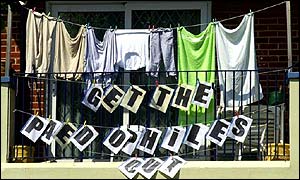
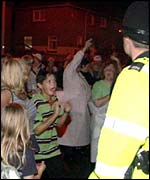
 Last year, it was riots in northern England.
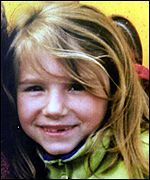
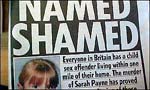
A week or so of nightly outbursts followed the murder of eight-year old Sarah Payne and the News of the World's campaign to name-and-shame convicted paedophiles on the Sex Offender Register. Since time lends perspective to the most turbulent and confusing of events, it is worth examining whether the protection of children has been improved since the furore of the summer of 2000. New protection The acronym, MAPPA, probably doesn't mean anything to more than one person in a hundred.
Despite the media's apparent obsession with paedophiles, the first annual MAPPA report was virtually ignored when it was published on 22 July. But it reveals a far more pro-active approach to passing on information about paedophiles than applied two years ago. Here are two examples. 1) Duncan Using its powers, the MAPPA board which was responsible for his case informed the Football Association and applied, successfully, for a sex offender order which banned Duncan from refereeing. 2) Alistair When his name was linked to a criminal investigation into the trading of child abuse imagery on the internet, the MAPPA board decided to inform the Charity Commission and the school. He was also visited and spoken to by the police. The News of the World would argue that, even though the government has agreed to members of the public sitting on the bodies which oversee the MAPPA boards, selective passing on of information still leaves the community vulnerable to the Roy Whitings of this world (Whiting was convicted of the murder of Sarah Payne).
Stranger danger? After all, the number of so-called "stranger" killings of children in England and Wales has remained stable for about 30 years and the Payne family was let down by the courts rather than by police or probation officers. Moreover, it is a dangerous argument - dangerous because it skews the public debate away from the area of greatest risk to children, which has always been the home and those relationships forged in innocence, with baby-sitters, teachers, sports coaches and so on.
According to a Department of Health snapshot study, published in February 2000, more than 100,000 children in England and Wales were receiving care services because of abuse or neglect. Since most of their abusers will never be charged, let alone convicted of any offence and appear on a register, what is happening to them? And is it, in any way, commensurate with the scale of one of the most important social problems facing us ? | | See also:  30 Jul 02 | England 25 Jul 00 | UK Top UK stories now: Links to more UK stories are at the foot of the page. | |||||||||||||||||||||||||||||||||||||||||||||||||||||||||||||||||||||||||||||||||||||||||||||||||||||||
| |
|  E-mail this story to a friend E-mail this story to a friend |
| |
| Links to more UK stories |
| | | ||
 | ||||
 | | Back to top
| ||
| ---------------------------------------------------------------------------------- To BBC Sport>> | To BBC Weather>> | To BBC World Service>> ---------------------------------------------------------------------------------- © MMIII | News Sources | Privacy |