|
 |
 | | | | | | ||||||||||||||||||||||||||||||||||||||||||||||||||||||||||||||||||||||||||||||||||||||||||||||
| | | You are in: UK | ||||||||||||||||||||||||||||||||||||||||||||||||||||||||||||||||||||||||||||||||||||||||||||||||
|
| | Thursday, 25 July, 2002, 11:06 GMT 12:06 UK Seizing cash from crime 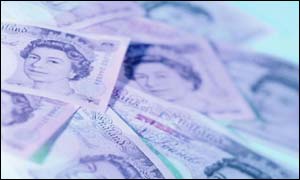 �38m was seized through confiscation orders last year
In the murky world of drugs policing, the legendary adage has been "follow the money". In other words, doggedly pursue the trail of financial transactions and you will eventually find the goods and, perhaps, the "Mr Big" pulling all the strings. But that approach is set to change with a piece of legislation which may prove to be the sharpest enforcement weapon ever wielded in Britain against drug dealers and money launderers.
The Proceeds of Crime Act, which got the Royal Assent on Wednesday, applies to England and Wales, but matching measures in Northern Ireland and Scotland is expected to create an entirely new focus for Customs and Excise in the fight against the traffickers. The act creates a specific offence of money laundering, sets up an Assets Recovery Agency whose job is to confiscate the profits of crime, and makes it unlawful for anyone working in banks, building societies and bureaux de change not to report suspicious transactions. Middle men But those are the bare bones. The meat is in the admission by Customs bosses that they are now switching their attention and some of their resources from the "Mr Bigs" to the "Mr Middles" who have been playing their full part in a UK drugs economy which is estimated to generate at least �4bn at point of sale. The aim now is to seize some of this cash which has to be "laundered " before it can go back into circulation to begin the drugs cycle all over again. Much of this illicit economy is fuelled by middle-level drug dealers in the 1-5kg distribution range, who live on council estates, and create what a senior Customs source terms "an indelible stain of menace" by their activities. There is a frank admission that many of these people have been undetected until now because it is an area of the drugs market which has been severely under-policed. Taking liberties Last year, the amount of money seized through confiscation orders was �38m. The aim is to double this in three years. But no legislation comes without a price. There are serious civil liberties concerns about allowing law enforcement to apply to confiscate assets in civil courts using a lower standard of proof than that required at a criminal trial. There may also be a temptation for Customs officers to place a higher priority on seizing money than drugs because it could entail a far simpler investigation. But that the act breaks important new ground for the UK, no-one is in any doubt. | | See also:  25 Jul 02 | UK 22 Jul 02 | UK 11 Jul 02 | UK Internet links: The BBC is not responsible for the content of external internet sites Top UK stories now: Links to more UK stories are at the foot of the page. | ||||||||||||||||||||||||||||||||||||||||||||||||||||||||||||||||||||||||||||||||||||||||||||||
| |
|  E-mail this story to a friend E-mail this story to a friend |
| |
| Links to more UK stories |
| | | ||
 | ||||
 | | Back to top
| ||
| ---------------------------------------------------------------------------------- To BBC Sport>> | To BBC Weather>> | To BBC World Service>> ---------------------------------------------------------------------------------- © MMIII | News Sources | Privacy |