|
 |
 | | | | | | |||||||||||||||||||||||||||||||||||||||||||||||||||||||||||||||||||||||||||||||||||||||||||||||||||||||||||||||||||
| | | You are in: UK | |||||||||||||||||||||||||||||||||||||||||||||||||||||||||||||||||||||||||||||||||||||||||||||||||||||||||||||||||||||
|
| | Saturday, 13 July, 2002, 10:50 GMT 11:50 UK Police try video identity parades Video parade may be fairer
No detective story or thriller is complete without one. In fiction at least, the police identity parade is when the criminal gets collared, but that has not been the case in reality. Live identity parades have proved to be highly inefficient and expensive. It is now hoped new technology will revolutionise the procedure.
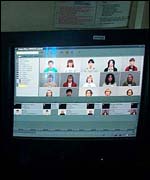
The government is spending �7.6m on VIPER - the Video Identification Parade Electronic Recording System. It is part of the campaign to reduce street crime and speed up the criminal justice system. VIPER has been pioneered by a unit at West Yorkshire Police - known as the 'Viper's Nest.' Over the last five years they have developed a database of 7,000 images of male and female volunteers. Witnesses and victims of crime no longer have the daunting prospect of coming face-to-face with an offender during a police identity parade.
More than 50% of all live identity parades are cancelled because the suspect or witness does not turn up or because there are not enough volunteers to take part. According to Detective Superintendent Michael Fickling at West Yorkshire Police, a video identity parade is quicker and cheaper. It can be set up in two hours while the suspect is still in custody and costs �300 - a third of the cost of a live line-up. "It's difficult to see any negative aspects to this system. It is a win win situation for everybody apart from the people who have committed crime and don't want to be caught," he told BBC Online. Research has shown that the video identity parades are also fairer. According to Professor Tim Valentine at Goldsmiths University, the wider choice of images on the database means the risk of picking a suspect by chance rather than memory is greatly reduced.
In April video identity parades were given the same legal status as live parades. They have already been used in dozens of cases including the murder of Damilola Taylor. Paul Fawcett from the Victim Support group has welcomed its introduction. "As well as making the experience less difficult for a victim it may also facilitate justice because a witness may be in a better state of mind to concentrate on identifying the right person," he said. But Bobby Cummines, chief executive of Unlock, the National Association Of Ex-Offenders, has serious misgivings. "There's a lot to live parades. You can see the height of a suspect and ask them to speak. That isn't an option with video parades," he said. Strict guidelines Mr. Cummines is also concerned about the potential for abuse. "The video could be tampered with by an unscrupulous police officer. We could see an increase in miscarriages of justice as a result," he said. The police stress there are strict guidelines covering the use of video identity parades and the suspect's solicitor can chose the images from the database. Detective Superintendent Michael Fickling says an inspector unconnected with the investigation will be in charge. "This person is the identification referee, who is there to ensure fairness and that all the rules are complied with. On top of that, the showing of the video is usually filmed," he added. The equipment is due to be installed in 70 police stations in the next few months. West Yorkshire Police are already planning to transfer the data to a laptop computer to enable witnesses to take part in a video parade in their own home. | |
See also:  13 Jul 02 | UK Politics 12 Jul 02 | UK 18 Jun 02 | UK Politics Internet links: The BBC is not responsible for the content of external internet sites Top UK stories now: Links to more UK stories are at the foot of the page. | |||||||||||||||||||||||||||||||||||||||||||||||||||||||||||||||||||||||||||||||||||||||||||||||||||||||||||||||||||
| |
|  E-mail this story to a friend E-mail this story to a friend |
| |
| Links to more UK stories |
| | | ||
 | ||||
 | | Back to top
| ||
| ---------------------------------------------------------------------------------- To BBC Sport>> | To BBC Weather>> | To BBC World Service>> ---------------------------------------------------------------------------------- © MMIII | News Sources | Privacy |