|
 |
 | | | | | | ||||||||||||||||||||||||||||||||||||||||||||||||||||||||||||||||||||||||||||||||||||||||||||
| | | You are in: UK | ||||||||||||||||||||||||||||||||||||||||||||||||||||||||||||||||||||||||||||||||||||||||||||||
|
| | Thursday, 30 May, 2002, 11:09 GMT 12:09 UK Ugly shades of grey Birmingham's Bull Ring was typical of the concrete era Britain's urban environment has been blighted by grey, stained crumbling concrete monstrosities. A Radio 4 documentary investigates why concrete was used so badly in post-war Britain. Concrete is one of the most versatile building materials we have and is used by modern architects to create some of their most imaginative buildings. Yet the concrete jungle became a metaphor for all of our urban ills.
A new material After the Second World War, British architects were desperate to build new environments and use new materials.
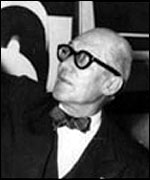
Strongly influenced by Mediterranean buildings and great architects such as Le Corbusier, who championed the use of raw concrete in the south of France, concrete became the new material for Britain to build a bright, new future. "We wanted to build a brave new world full of light and glass and air and concrete," explains George Perkin, an architect in the 60s and the former editor of Concrete Quarterly. The architectural style of this concrete era became know as brutalism, because as George Perkin explains: "The whole point of exposing concrete at this time was a passion for honesty and truth. A lot of people thought it was terrible to cover the concrete with something else." Concrete beauty? Even the grey colour of concrete, today viewed as drab and dreary, was seen as aesthetic, clean and new. People would remark: "What a beautiful shade of grey it is - it is so very concrete."
However, Jane Drew, another architect from that time, had her doubts about using concrete in British environments. She says: "As an exterior facing I think concrete is appalling in England. "It is all right if you get into a sunny climate and you can put colours on if it's dry. But otherwise it looks forbidding, grim and as it gets older it looks worse and worse." In their love affair with concrete, British architects failed to assess the effects of using concrete in Britain's damp, cold climate. It was one of their greatest mistakes - as they neglected to take into account how moisture would deteriorate their buildings. It was not just the architects who became blinded by visions of sun-kissed, foreign design transcending the depressing reality of the British climate. Politicians and planners bought in to visions of the concrete future too. Cutting costs Government planners quickly saw the advantages of using concrete as it provided a cheap, easy and quick method of building. And the effort to re-build after the war required speed and efficiency as Keith Joseph, the Conservative housing minister in the 1960s, announced plans to build 400,000 houses every year - for which concrete proved ideal.
Brutalist architecture of the crudest kind entered into an unholy alliance with brutalist accountancy as cheap and unskilled labour led to the prolific use of slapdash building methods. The hazards of dodgy building methods encouraged by the used of concrete, first came to light in 1968 when a tower block collapsed in London.
But Dr John Menzies, former secretary of the Standing Committee on Structural Safety which monitors buildings in Britain, explains that since the concrete architecture of the 1960s and 1970s many lessons have been learnt. "Some of the design procedures we used were found to be not sufficiently safe and over time those procedures have been modified - original designs were not quite adequate." Alarmingly the SCSS says that the isolated incidents of buildings and structures collapsing as a result of shoddy workmanship may be "the tip of the iceberg". You can hear Concrete Consensus, the third programme in the Why Did We Do That? series on BBC Radio 4 Thursday 30 May at 2000 BST. | | See also:  13 Jan 01 | UK 16 Sep 99 | e-cyclopedia 25 Feb 99 | UK Internet links: The BBC is not responsible for the content of external internet sites Top UK stories now: Links to more UK stories are at the foot of the page. | ||||||||||||||||||||||||||||||||||||||||||||||||||||||||||||||||||||||||||||||||||||||||||||
| |
|  E-mail this story to a friend E-mail this story to a friend |
| |
| Links to more UK stories |
| | | ||
 | ||||
 | | Back to top
| ||
| ---------------------------------------------------------------------------------- To BBC Sport>> | To BBC Weather>> | To BBC World Service>> ---------------------------------------------------------------------------------- © MMIII | News Sources | Privacy |