
|
 |
 | | | | | ||||||||||||||||||||||||||||||||||||||||
| | You are in: UK | ||||||||||||||||||||||||||||||||||||||||||
 | | Wednesday, 13 March, 2002, 08:37 GMT Council tax set to leap 8% 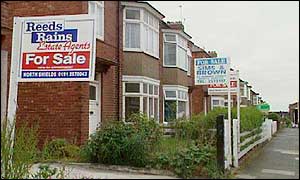 Average council tax bills are to soar in 2002 Council tax bills in England and Wales are set to rise by their largest amount since the tax was introduced in 1993. Tax on the average band D home will rise by more than 8% this year - from �891 to �963 - a survey for the BBC by the Chartered Institute of Public Finance Accountancy found.
Many local authorities have blamed the increase - three times the rate of inflation - on greater pressures to invest in the police, education and social services. But shadow local government minister Theresa May accused ministers of trying to shift the blame for creating a stealth tax on to councils. "This really is effectively a stealth tax with the burden being shifted on to the council tax payers," she told BBC Radio 4's Today programme. Under-funding "The government is expecting people to blame the council rather than the government." The Local Government Association estimates that the government has under-funded the teachers' annual pay deal by �380m. Police authorities say the police pay bill has not been fully funded either. They have identified �371m of under-funding.
But Local Government Minister Nick Raynsford insisted that since Labour came to power in 1997, it had been increasing the grant to local authorities, in real terms, 20% above inflation. "By comparison, during the Tory years, there were often real term cuts," he said. While admitting that there were "particular pressures" on social services, he blamed local government elections for the increases in council tax. "It does appear that electoral considerations are probably a bigger factor this year than anything else," he told Today. Sedgefield expense "We have actually given an extra �3.3bn - that's an increase of 7.5% this year - to local government. That is a very generous increase - quite sufficient to contain most of the pressures. "We have actually looked at the pressure and we have been prepared, whenever the evidence has been clear that there are additional pressures, to give additional money." The highest band D property bills of nearly �1,200 will be hitting residents in Sedgefield in County Durham, Prime Minister Tony Blair's constituency. People living in Wellingborough will be asked to pay the biggest increase. Their bills are set to go up 18%. Wandsworth in London still has the lowest band D tax in England and Wales of �402. This contrasts with bills for residents in Scotland, where the average band D demand has gone up by four and a half per cent to �971. | |
See also:  Internet links: The BBC is not responsible for the content of external internet sites Top UK stories now:  Links to more UK stories are at the foot of the page. | ||||||||||||||||||||||||||||||||||||||||
|
Links to more UK stories |
 | | ^^ Back to top News Front Page | World | UK | UK Politics | Business | Sci/Tech | Health | Education | Entertainment | Talking Point | In Depth | AudioVideo ---------------------------------------------------------------------------------- To BBC Sport>> | To BBC Weather>> ---------------------------------------------------------------------------------- © MMIII|News Sources|Privacy  |


 E-mail this story to a friend