
|
 |
 | | | | | | ||||||||||||||||||||||||||||||||||||||||||||||||||||||||||||||||||||||||||||||||||||||||||||||||||||||||||||||||||||||||||||||||||||||
| | | You are in: Technology | ||||||||||||||||||||||||||||||||||||||||||||||||||||||||||||||||||||||||||||||||||||||||||||||||||||||||||||||||||||||||||||||||||||||||
|
| | Thursday, 19 December, 2002, 11:18 GMT Rethink urged over net snooping laws  Police say data retention is essential for crime detection Net snooping laws in the UK are a mess, a government committee set up to look at the controversial legislation has been told. The inquiry, led by the House of Common's All Party Internet Group, has heard evidence from industry, law enforcers and the Home Office over the last two weeks. The debate has revolved around plans to force telephone operators and internet service providers to store customer data for up to six years. But police have admitted that the current legislation is illegal. "The system is not compliant with the Human Rights Act," Assistant Chief Constable of the National Crime Squad Jim Gamble told MPs. Lack of direction
The legislation obliges internet companies to keep records of customers' names and addresses, their e-mail activity and the websites they have visited. But more than a year after the laws were passed, the government has still not worked out who will pay for the systems and how they will work. The need to keep data became law after the Anti-Terrorism Crime and Security Act was rushed through parliament following the terror attacks in the US last year. "The government has only committed �20 million over three years to fund this project," said Nicholas Lansman, Secretary General of the Internet Service Providers' Association, (Ispa). "Depending on the final code of practice, the costs could be half a million to �5 million for one ISP alone. What about all the others? Where's the rest of the money going to come from?" he asked. Conflicting legislation
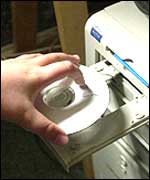
It would also require 360,000 CDs a year to store all the data. It also emerged that ISPs would not be able to simply pass the CDs on to the police. This would contradict rules in the Regulation of Investigatory Powers Act, which state that any requests for communications data must be proportional to the crime committed. Instead ISPs would have to search for particular pieces of information, requiring an indexed and organised system which would push up the costs still further. One of the main problems appears to be the amount of often conflicted legislation that has been passed to deal with how internet and telephone communications are accessed and by whom. "Ispa and its members need to see clarity in the law," said Mr Lansman. "At the moment, the industry does not know its legal position relating to retention and access to data, so we could be adhering to one law, but breaking another." More snooping Law enforcement agencies already have access to data via existing laws and around 2,000 requests are made each week to internet and phone companies. The Regulation of Investigatory Powers Act was to extend this snooping power to other public agencies. But the idea was put on hold following protests in the summer. Now that is back on the agenda and in the New Year the government will launch a consultation paper looking at which public agencies should have access to data. The Home Office told the All Party Internet Group that it hopes to implement the legislation by the spring. | | See also:  20 Aug 02 | Technology 15 Feb 02 | Science/Nature 18 Jan 02 | Science/Nature 01 Jun 01 | Science/Nature 17 May 01 | Science/Nature Internet links: The BBC is not responsible for the content of external internet sites Top Technology stories now: Links to more Technology stories are at the foot of the page. | ||||||||||||||||||||||||||||||||||||||||||||||||||||||||||||||||||||||||||||||||||||||||||||||||||||||||||||||||||||||||||||||||||||||
 | |
|  E-mail this story to a friend E-mail this story to a friend |
| |
| Links to more Technology stories |
| | | ||
 | ||||
 | | Back to top
| ||
| ---------------------------------------------------------------------------------- To BBC Sport>> | To BBC Weather>> | To BBC World Service>> ---------------------------------------------------------------------------------- © MMIII | News Sources | Privacy |




 At the moment, the industry does not know its legal position relating to retention and access to data, so we could be adhering to one law, but breaking another