|
 |
 | | | | | | ||||||||||||||||||||||||||||||||||||||||||||||||||||||||||||||||||||||||||||||||||||||||||||||||||||||||||||||||||||||||||||||||||||||||||||||||
| | | You are in: Technology | ||||||||||||||||||||||||||||||||||||||||||||||||||||||||||||||||||||||||||||||||||||||||||||||||||||||||||||||||||||||||||||||||||||||||||||||||||
|
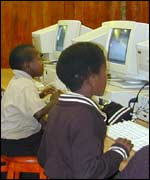
| | Monday, 16 December, 2002, 09:26 GMT South African pupils get hi-tech boost 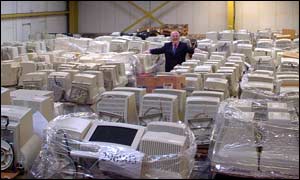 Thousands of computers are heading for South Africa
But an ambitious project is hoping to put hundreds of thousands of these abandoned machines to use helping children in the developing world become computer literate and better educated. The project is being co-ordinated by a group called the Digital Partnership. It unites large companies that regularly update their stock of desktop computers with software makers, networking companies and aid agencies to ready the machines for use in schools, village telecentres and prisons. Already the first few thousand computers have been installed in schools in South Africa. Good as new The ever-increasing size and sophistication of software on desktop computers means that large companies often have to upgrade their equipment to handle the demands of new programs.
Now the Digital Partnership, set up by the Prince of Wales' International Business Leaders Forum, is setting up a program to collect the discarded computers and use them in schools in the developing world. The first nation helped by the Digital Partnership is South Africa. Over the next year it hopes to transfer 170,000 computers to about 4,000 government schools in the country. A network of workshops is being set up in South Africa to refurbish the donated computers and locals are being trained to do the work. Telecentres full of computers are being set up in the schools and teachers are being trained in the best ways to use the machines in lessons. Eventually all the machines will be running Windows XP and the Office XP suite of programs. Microsoft has waived software licence fees for all the schools getting computers via the Digital Partnership program. Cost concerns
Web-based portals are being set up that will host up to date textbooks and educational material that should help schools save money and pay for the maintenance of the machines. Financial help has also come from the South Africa Government which has passed laws guaranteeing cut price net access for schools. The first projects that gave 4,000 computers to schools in South Africa went live in June this year and now the Digital Partnership is stockpiling computers ready for the next phase. Robert Davies, chief executive of the International Business Leaders Forum, said eventually the Digital Partnership hoped to be funnelling discarded computers to schools all over the world. | | See also:  06 Oct 02 | Technology 02 Oct 02 | Technology 10 Nov 02 | Technology 06 Oct 02 | Technology 22 Jul 02 | Working Lunch 12 Nov 02 | Business 18 Nov 01 | Science/Nature 18 Apr 02 | UK Internet links: The BBC is not responsible for the content of external internet sites Top Technology stories now: Links to more Technology stories are at the foot of the page. | ||||||||||||||||||||||||||||||||||||||||||||||||||||||||||||||||||||||||||||||||||||||||||||||||||||||||||||||||||||||||||||||||||||||||||||||||
| |
|  E-mail this story to a friend E-mail this story to a friend |
| |
| Links to more Technology stories |
| | | ||
 | ||||
 | | Back to top
| ||
| ---------------------------------------------------------------------------------- To BBC Sport>> | To BBC Weather>> | To BBC World Service>> ---------------------------------------------------------------------------------- © MMIII | News Sources | Privacy |