|
 |
 | | | | | | ||||||||||||||||||||||||||||||||||||||||||||||||||||||||||||||||||||||||||||||||||||||||||||||||||||||||||||||||||||||||||||||||||||||
| | | You are in: Technology | ||||||||||||||||||||||||||||||||||||||||||||||||||||||||||||||||||||||||||||||||||||||||||||||||||||||||||||||||||||||||||||||||||||||||
|
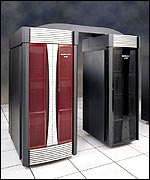
| | Friday, 13 December, 2002, 09:19 GMT Supercomputers set new goals 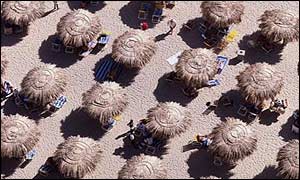 Supercomputers help model weather and climate By 2010 supercomputers could be carrying out more than 1,000 trillion calculations per second. The ambitious goal has been set by the US Government to help its scientists tackle problems that would otherwise take too long to simulate. Venerable supercomputer maker Cray has declared its aim of being the first to reach the goal and has embarked on a long-term research programme to make the machines that will finish the job. Cray has already unveiled the first machine, the X1, that it hopes will be a stepping stone to the petaflop calculation goal. Big problems The processors inside the X1 can carry out more than 12.8 billion calculations per second. One billion calculations per second is known as a gigaflop.
Steve Scott, spokesman for Cray, said there was still a pressing need to create dedicated supercomputers, despite the success many people have had using the idle processor time of thousands of desktop PCs. He said although such clusters of PCs could tackle some problems, there were many others that could only be satisfactorily tackled with stand-alone supercomputers. "As computers get faster, the problems that used to require supercomputers now can be solved on cheaper platforms," he said. "But there are always new problems that can't be solved on your PC." Number-crunching
Designing a supercomputer to handle trillions of calculations per second involved more than just fast computer chips, Mr Scott told the BBC programme Go Digital. The whole system had to be optimised to ensure that all the processors in the system were being used all the time and could continuously crunch through lots of numbers, he said. Following the X1, Cray is working on a machine called the Black Widow which it hopes to unveil around 2005. Following that will be the machine it hopes will break the petaflop barrier. | | See also:  22 Jul 02 | Scotland 12 Nov 02 | Health 05 Nov 02 | Technology 22 Jul 02 | Scotland 26 Apr 02 | Science/Nature 11 Aug 01 | Science/Nature Top Technology stories now: Links to more Technology stories are at the foot of the page. | ||||||||||||||||||||||||||||||||||||||||||||||||||||||||||||||||||||||||||||||||||||||||||||||||||||||||||||||||||||||||||||||||||||||
| |
|  E-mail this story to a friend E-mail this story to a friend |
| |
| Links to more Technology stories |
| | | ||
 | ||||
 | | Back to top
| ||
| ---------------------------------------------------------------------------------- To BBC Sport>> | To BBC Weather>> | To BBC World Service>> ---------------------------------------------------------------------------------- © MMIII | News Sources | Privacy |