|
 |
 | | | | | | |||||||||||||||||||||||||||||||||||||||||||||||||||||||||||||||||||||||||||||||||||||||||||||||||||||||||||||||||||||||||||||||||||||||||||||||||||||||||||||||||
| | | You are in: Technology | |||||||||||||||||||||||||||||||||||||||||||||||||||||||||||||||||||||||||||||||||||||||||||||||||||||||||||||||||||||||||||||||||||||||||||||||||||||||||||||||||||
|
| | Thursday, 5 December, 2002, 10:03 GMT Africa's new tech warriors  Julianne: Always had an interest in computers
 "The world is much more demanding now," she said. "Everything now involves technology. You can't just say to something that you'll do their books for them." But 37-year-old Naula had no background in technology and there are few places in Uganda that offer training in computer science. The answer lay in a six-month course on internet technology skills at the Uganda Communications Institute. Role model Armed with her new knowledge, Naula has left behind the world of figures to set up her own information technology consultancy.
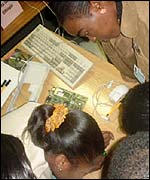
She was so encouraged by her training that she persuaded her sister and her cousin to follow in her footsteps. Even her husband is considering whether he should do the same. The course in internet technology is part of an international education programme backed by the US tech giant Cisco Systems. It brings together business, governments, international organisations and donors to promote technology skills in developing countries. The aim of the programme is to help people in developing countries learn and improve their information technology skills, with the hope of reducing the digital divide with industrialised countries. There are now more than 90 academies in 32 developing countries, with more than 2,500 students and nearly 500 graduates. Dream come true Julianne Susanne Sansa is an instructor at one of the 30 centres in Africa.
"This is something I have always wanted to do," said 34-year-old Julianne. "I have always had an interest in computers." "People look up to you. It is a privilege to do this job." She admits there are more men than women in her classes, reflecting the male domination of the technology industry. But she keen to see more women take an interest in computer science, as it can lead to rewarding careers. "You can do it regardless of whether you are a man or a woman," she said. 'Go for it' The picture is similar at the centre in the University of Zambia in Lusaka where Barbara Munyati runs an evening course in internet technology.
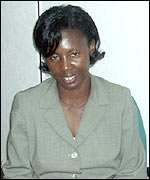
As the only person in the country with a PhD in computer science, Barbara see technology skills as essential to compete in the workplace. "Your prospects for a job are going to be much better," she said, " and it means you can work anywhere in the region, such as South Africa, where the pay is better." But there is still a gender divide, with mostly men on the course. Only seven out of 60 students are women. "It is believed that girls don't have what it takes to be as good in science and technology as the boys," said 37-year-old Barbara. For her, the priority is "to remove the stigma that women can't do the course." Her comments are echoed by Naula Kebba. She says women should not be scared of technology, as it can open up new career opportunities. "It can give women a sense that they can do something beyond menial household tasks," she says. Her message to other women? "Go for it!" | |
See also:  06 Oct 02 | Technology 24 Jun 02 | Science/Nature 02 Apr 02 | Science/Nature 06 Oct 02 | Technology Internet links: The BBC is not responsible for the content of external internet sites Top Technology stories now: Links to more Technology stories are at the foot of the page. | |||||||||||||||||||||||||||||||||||||||||||||||||||||||||||||||||||||||||||||||||||||||||||||||||||||||||||||||||||||||||||||||||||||||||||||||||||||||||||||||||
|  |
|  E-mail this story to a friend E-mail this story to a friend |
 | |
| Links to more Technology stories |
| | | ||
 | ||||
 | | Back to top
| ||
| ---------------------------------------------------------------------------------- To BBC Sport>> | To BBC Weather>> | To BBC World Service>> ---------------------------------------------------------------------------------- © MMIII | News Sources | Privacy |






 Your prospects for a job are going to be much better