|
 |
 | | | | | | |||||||||||||||||||||||||||||||||||||||||||||||||||||||||||||||||||||||||||||||||||||||||||||||||||||||||||||||||||||||||||||||||||||
| | | You are in: Technology | |||||||||||||||||||||||||||||||||||||||||||||||||||||||||||||||||||||||||||||||||||||||||||||||||||||||||||||||||||||||||||||||||||||||
|
| | Wednesday, 20 November, 2002, 21:51 GMT Microsoft plans online life archive 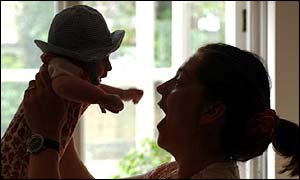 Soon you need never forget a special moment. Microsoft researchers are working on ways to create a "back-up brain" that will do a much better job of containing and cataloguing every picture you take, document you write or conversation you record. The scientists collaborating on the project believe that the database of your life could hold a vast array of items that are automatically catalogued and as easy to search as Google. If it proves successful, the project could realise the dreams of hypertext visionary Vannevar Bush, who first floated the idea of a lifestore more than 50 years ago. The MyLifeBits research group is based at Microsoft's research lab in San Francisco. Huge disks New Scientist magazine reveals that Gordon Bell, one of the scientists driving the MyLifeBits project, is already putting as much material as he can in a directory of his life. It reports that every e-mail message Mr Bell sends and receives is already being stored along with everything he reads or buys online.
The team estimates that within five years a terabyte of data storage (1,000 gigabytes) will cost $300 (�189) allowing people to buy at least that much per year. They also point how much data can be crammed into a terabyte of storage space. A terabyte can hold 3.6 million 300-kilobyte images or 290 hours of good quality video. But the researchers have realised that the hard part is not filling the database but deciding how everything in it should be organised. Finding memories Currently the researchers are working on smart tags for each item that allow them to be searched for in different ways, and also record the relationship of those items to others in the store. They are also working on ways to automate the tagging to make it easier to build up the database. Searching on a particular date would bring up a list of all the things Mr Bell put in the store for that day. Searching for the name of a friend would bring a more diverse list perhaps organised chronologically or by theme. The research team says that many people already have many important moments in their lives recorded in one form or another, but shoeboxes full of photos, piles of documents and scattered video tapes take much longer to search than the repository they envisage. The idea of a vast repository of personal information was first floated in 1945 by US academic Vannevar Bush in an article called As We May Think for the Atlantic Monthly. In that article Mr Bush invented the term Memex for such a device that he said would be "an enlarged intimate supplement to memory." | | See also:  08 Oct 01 | Science/Nature 17 Apr 98 | Science/Nature 12 Dec 01 | Science/Nature 14 Aug 01 | dot life 20 Jun 00 | Science/Nature Internet links: The BBC is not responsible for the content of external internet sites Top Technology stories now: Links to more Technology stories are at the foot of the page. | |||||||||||||||||||||||||||||||||||||||||||||||||||||||||||||||||||||||||||||||||||||||||||||||||||||||||||||||||||||||||||||||||||||
| |
|  E-mail this story to a friend E-mail this story to a friend |
| |
| Links to more Technology stories |
| | | ||
 | ||||
 | | Back to top
| ||
| ---------------------------------------------------------------------------------- To BBC Sport>> | To BBC Weather>> | To BBC World Service>> ---------------------------------------------------------------------------------- © MMIII | News Sources | Privacy |