|
 |
 | | | | | | |||||||||||||||||||||||||||||||||||||||||||||||||||||||||||||||||||||||||||||||||||||||||||||||||||||||||||||||||||||||||||||||||||||||||||||||||||||
| | | You are in: Technology | |||||||||||||||||||||||||||||||||||||||||||||||||||||||||||||||||||||||||||||||||||||||||||||||||||||||||||||||||||||||||||||||||||||||||||||||||||||||
|
| | Tuesday, 19 November, 2002, 17:14 GMT Breaking the broadband barriers 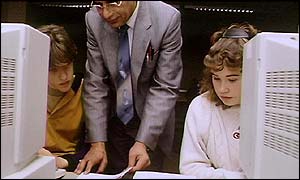 Education will be a big customer for broadband
You will soon find out how strong their preference is. And therein lies the problem for any government trying to convince people to switch to high-speed net connections. Until you have it, the benefits are hard to appreciate. But once you use it the advantages are immediately and constantly apparent. You will never go back. But the hard part, as with any novel technology, is getting people to sign up. This is partly because the only real selling point for broadband is the fact that everything you do online happens a good deal faster. Speed freaks So far more than a million people in the UK have decided that is reason enough to get broadband. But if the numbers are to grow significantly larger, people are going to need better reasons.
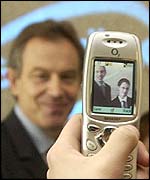
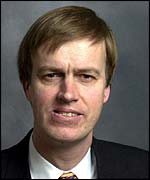
But government plans to spend �1billion wiring up schools, hospitals and many other public services to broadband could be a way out of the no-reasons, no-demand cycle. The plans were announced by Prime Minister Tony Blair at the first e-summit held in London. To begin with there are more than 27,000 schools up and down the country. Once all have broadband, there will be no grounds for claiming that regions have no demand. According to figures released in October only 18% of schools currently have a broadband connection. Wiring up the other 82% should create significant demand. It should also help end the anomaly of some suburban and inner city areas that still cannot get broadband. Those schools signing up are also likely to get much lower prices as a group than they could if they bought broadband individually. It should also make it much easier for broadband suppliers to negotiate a deal as they will have far fewer individual organisations to call on. Fear factor Earlier this year E-Minister Stephen Timms said the government wanted to be a role model for the use of broadband and appointed advisors to help government departments and public services sign up en masse for high speed links.
But the real reason that wiring up schools could really drive demand is because of the use that children will make of it. In South Korea broadband has become essential for every schoolchild because teachers demand that pupils send in homework via the net and carry out some assignments online. As a result broadband penetration in South Korea now tops 60%. In the UK home broadband users make up 2.5% of the UK's net population. Few parents would want to see their children disadvantaged for the sake of a few pounds per month and this fear could prove a significant catalyst to take up. Broadband could soon be seen in the same light as a packed lunch or PE kit, essential for every child. | |
See also:  19 Nov 02 | Technology 07 Nov 02 | Technology 29 Oct 02 | Technology 06 Nov 02 | Business 11 Oct 02 | Technology 27 Jun 02 | Science/Nature 19 Nov 02 | Technology 19 Nov 02 | Technology Internet links: The BBC is not responsible for the content of external internet sites Top Technology stories now: Links to more Technology stories are at the foot of the page. | |||||||||||||||||||||||||||||||||||||||||||||||||||||||||||||||||||||||||||||||||||||||||||||||||||||||||||||||||||||||||||||||||||||||||||||||||||||
| |
|  E-mail this story to a friend E-mail this story to a friend |
| |
| Links to more Technology stories |
| | | ||
 | ||||
 | | Back to top
| ||
| ---------------------------------------------------------------------------------- To BBC Sport>> | To BBC Weather>> | To BBC World Service>> ---------------------------------------------------------------------------------- © MMIII | News Sources | Privacy |