
|
 |
 | | | | | | ||||||||||||||||||||||||||||||||||||||||||||||||||||||||||||||||||||||||||||||||||||||||||||||||||||||||||||||||||||||||||||||||||||||||
| | | You are in: Technology | ||||||||||||||||||||||||||||||||||||||||||||||||||||||||||||||||||||||||||||||||||||||||||||||||||||||||||||||||||||||||||||||||||||||||||
|
| | Tuesday, 12 November, 2002, 08:46 GMT Parents alerted to safe surfing benefits 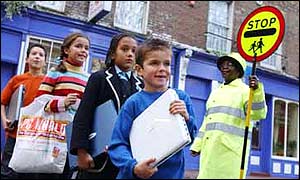 Parents urged to keep an eye on their children Parents are being targeted in a renewed campaign to try to stop children accessing unsuitable material on the internet. The move follows a survey which found that 70% of youngsters over the age of 10 had online access at home - and a quarter had seen potentially harmful material. "It's important that children are protected from unsuitable websites," said Ivan Lewis, education minister responsible for young people and learning. "Much has been done to ensure that children surf safely at school, but parents also want to be confident that the internet is used safely at home." Research commissioned by the Department for Education and Skills (DfES) found that children were spending hours online without parental supervision.
More worryingly, the study found 80% of parents did not know how to use the security settings on their computers to try to protect children from reading unsuitable material. The research, carried out for computer retailer PC World's Safe Surfing campaign, also found that two-thirds (67%) of children were more knowledgeable about computers than their parents. The Safe Surfing campaign, which begins on 15 November, is a nationwide scheme to generate awareness about internet safety. It will repeat the standard advice to children not to meet any strangers they have had contact with over the internet. Filtering software Parents will be advised to buy computer software that will block any unsuitable material. But an evaluation by the Parents Information Network (PIN) - an independent group which tests software - indicates that although most products of this sort offer some level of protection, none can be relied upon. So it says strategies for protecting children might involve the use of "filtering" software, but should also include agreements with children about online times, unsuitable content and unsafe contacts. "Children will also need strategies to cope when the filtering software does not work or is not present," PIN says. Free tools PC World Marketing Director Peter Keenan said: "There are plenty of simple measures that parents can take to ensure their children are safe online, and many are available for free.
"Our campaign is designed to give parents greater knowledge of the tools available to ensure safer surfing." PC World is also partnering with Parents Online, a DfES initiative, and has the backing of other child safety charities and internet awareness bodies. TV presenter Carol Vorderman, a Parents Online supporter, said: "Parents need as much information as possible to help them understand the benefits of using the internet but also the safety measures they can take to keep their children safe online." | | See also:  01 Oct 02 | Technology 06 Sep 02 | Technology 12 Nov 02 | UK 02 Sep 02 | Scotland 27 Nov 01 | Education 19 Jun 01 | Science/Nature Internet links: The BBC is not responsible for the content of external internet sites Top Technology stories now: Links to more Technology stories are at the foot of the page. | ||||||||||||||||||||||||||||||||||||||||||||||||||||||||||||||||||||||||||||||||||||||||||||||||||||||||||||||||||||||||||||||||||||||||
| |
|  E-mail this story to a friend E-mail this story to a friend |
| |
| Links to more Technology stories |
| | | ||
 | ||||
 | | Back to top
| ||
| ---------------------------------------------------------------------------------- To BBC Sport>> | To BBC Weather>> | To BBC World Service>> ---------------------------------------------------------------------------------- © MMIII | News Sources | Privacy |





