
|
 |
 | | | | | | ||||||||||||||||||||||||||||||||||||||||||||||||||||||||||||||||||||||||||||||||||||||||||||||||||||||||||||||||||||||||||||||||||||||||||||||||||||||||||||||||||||||||||||||||
| | | You are in: Technology | ||||||||||||||||||||||||||||||||||||||||||||||||||||||||||||||||||||||||||||||||||||||||||||||||||||||||||||||||||||||||||||||||||||||||||||||||||||||||||||||||||||||||||||||||||
|
| | Tuesday, 12 November, 2002, 02:40 GMT Text scam warning for consumers 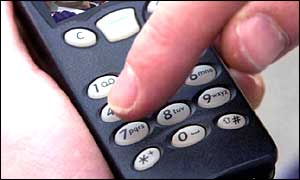 One con involved an "I love you" text message Scams using e-mail, text messaging and faxes are increasingly ripping off consumers, the UK Government has warned. Unscrupulous firms often use bogus prize draws and special offers to entice recipients to reply, the Department of Trade and Industry has said. The growing number of people with the internet and mobile phones has raised concern that the problem is increasing. There is particular concern that because of the popularity of texting among children, they could often be the victims of cons.
It then invited the person to call a premium rate number without making clear the call charges. In another scam, hotel and restaurant owners were asked to fax copies of their brochures and menus to a potential client. The fax number turned out to be a premium rate line. Children targeted Some people targeted by a text message scam reported they had received the same message up to 40 times in one day.
Consumer Minister Melanie Johnson said: "Every day, people throughout the UK open their mail, turn on their computers or switch on their mobile phones to learn that they've won "an exciting prize" in a draw, lottery or some other promotion. "While much of the marketing conducted in this way is legitimate, unfortunately it also includes examples which are misleading or untrue. "All too often those people taken in by scams make the mistake of being too trusting and lose money as a result." New rules A European directive which came into force in the UK in August was designed to combat unwanted e-mails. Messages should make it clear in the title what they are so the recipient can delete it straight away if they wish. Stricter rules on the sending of spam will be introduced next year. This will require prior consent from the recipient before most spam is sent out. Under the Data Protection Act, companies collecting the e-mail addresses of visitors to their websites must make clear any intention to use or disclose the address for marketing purposes. | |
See also:  08 Oct 02 | Business 06 Nov 02 | Technology 28 Oct 02 | Technology 25 Jul 02 | Business 22 May 02 | Business 09 May 02 | UK Internet links: The BBC is not responsible for the content of external internet sites Top Technology stories now: Links to more Technology stories are at the foot of the page. | ||||||||||||||||||||||||||||||||||||||||||||||||||||||||||||||||||||||||||||||||||||||||||||||||||||||||||||||||||||||||||||||||||||||||||||||||||||||||||||||||||||||||||||||||
| |
|  E-mail this story to a friend E-mail this story to a friend |
| |
| Links to more Technology stories |
| | | ||
 | ||||
 | | Back to top
| ||
| ---------------------------------------------------------------------------------- To BBC Sport>> | To BBC Weather>> | To BBC World Service>> ---------------------------------------------------------------------------------- © MMIII | News Sources | Privacy |






