|
 |
 | | | | | | |||||||||||||||||||||||||||||||||||||||||||||||||||||||||||||||||||||||||||||||||||||||||||||||||||||||||||||||||||||||||||||||||||||||
| | | You are in: Technology | |||||||||||||||||||||||||||||||||||||||||||||||||||||||||||||||||||||||||||||||||||||||||||||||||||||||||||||||||||||||||||||||||||||||||
|
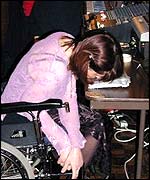
| | Saturday, 24 August, 2002, 09:28 GMT 10:28 UK Disabled make themselves heard 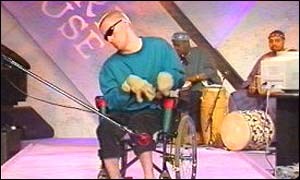 Steve Knight: Musical talent unleashed by technology BBC World ClickOnline's Mark Eddo finds out how technology is helping people with disabilities - unable to use conventional instruments - compose music.  But they can also help some musicians who might ordinarily find conventional instruments too difficult to play. At the Drake Music Project, they are helping musicians with disabilities use technology to create. "Music technology can remove physical barriers for disabled people. It can also allow them to participate in music on the same level as someone who doesn't have a disability," said Kate Atkinson of the Drake Music Project. "It basically opens up creative freedom of expression to them." Special software There are several software programs that make it easier for those who have difficulty using a keyboard or a mouse to create music on a computer.
E-scape was made for people who can only punch one key at a time. The musician uses a pad at their head to scroll down a menu that lets them add notes to their score and create different tracks using different sounds. Constantly adapted Musician and broadcaster Jools Holland is a patron of the project. He is pleased that it has enabled disabled musicians to display their talent.
"He's composed some really great things that I have accompanied him with at my concerts and without the technology that is available now he wouldn't be able to do that," he said. The technology is constantly adapting to meet the needs and aspirations of the musicians in the project. Each different technology is used in a different way by each person who uses it. The musicians at the Drake Music Project are happy that the technology exists to allow them to make music. But they point out that what needs upgrading more than the technology is the music industry's perception of disabled musicians. "If you look at programs like Pop Idol it's all geared around stereotypical images of what a pop idol should be," said Ms Atkinson. "So music technology can remove those barriers and allow the music to speak for itself without being reliant on what a person looks like." | | See also:  18 Mar 02 | Science/Nature 01 Oct 01 | Science/Nature 16 Aug 01 | Entertainment 01 Aug 98 | Entertainment Internet links: The BBC is not responsible for the content of external internet sites Top Technology stories now: Links to more Technology stories are at the foot of the page. | |||||||||||||||||||||||||||||||||||||||||||||||||||||||||||||||||||||||||||||||||||||||||||||||||||||||||||||||||||||||||||||||||||||||
| |
|  E-mail this story to a friend E-mail this story to a friend |
| |
| Links to more Technology stories |
| | | ||
 | ||||
 | | Back to top
| ||
| ---------------------------------------------------------------------------------- To BBC Sport>> | To BBC Weather>> | To BBC World Service>> ---------------------------------------------------------------------------------- © MMIII | News Sources | Privacy |