
|
 |
 | | | | | | ||||||||||||||||||||||||||||||||||||||||||||||||||||||||||||||||||||||||||||||||||||||||||||||||||||||||||||||||||||||||||||||||||||||
| | | You are in: Technology | ||||||||||||||||||||||||||||||||||||||||||||||||||||||||||||||||||||||||||||||||||||||||||||||||||||||||||||||||||||||||||||||||||||||||
|
| | Thursday, 8 August, 2002, 08:24 GMT 09:24 UK Texting offers power to the people 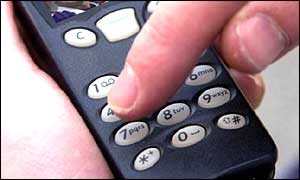 Will people want to contact government via text? Receiving a flood warning via text message or cancelling a hospital appointment on e-mail could be reality in the UK within two years, say officials. The British Government is exploring new ways of putting citizens in touch with public services, as part of its commitment to put all services online by 2005. Ministers are keen to engage the public in a more direct way and using popular technologies to deliver relevant services could achieve this goal. Electronic alerts for things such as court appearances, flood warnings, driving tests and hospital appointments are the latest response to criticisms that e-government so far has failed to capture the public's imagination. Integration crucial In an interview with Computing magazine Alan Mather, chief executive of the government's e-delivery team, explained how the system will work.
The system will use XML-based software that will allow government departments to cherry-pick the services they want from a central computer. A flood warning service is currently being tested and could be in place in 12 months. By 2004, people should be able to set up, change and cancel appointments for services, such as driving tests or hospital visits, electronically. As with much of the e-services programme, joined-up government will be crucial. The NHS, for example, would have to have its computer systems integrated with the central database if any appointment system were to work efficiently. Practical and useful Think-tank Demos has criticised the government in the past for merely replicating offline services online. But it is more positive about this idea. "This sounds like the kind of services that could drive e-government," said a Demos spokesman. "It is practical and useful and not just an attempt to push information at people in the hope that they will be fired up by public services," he added. The only fly in the ointment will be proving the identity of users, Mr Mather admitted to Computing. "We are disappointed with the slow development of the digital certificate market," he said. "We've created a market for digital certificates and we want to see it work. There needs to be a focus in the industry around this," he told the technology magazine. | | See also:  31 Jul 02 | Technology 07 Jun 02 | Technology 03 May 02 | Science/Nature 21 Apr 02 | Science/Nature 20 Feb 02 | Science/Nature Internet links: The BBC is not responsible for the content of external internet sites Top Technology stories now: Links to more Technology stories are at the foot of the page. | ||||||||||||||||||||||||||||||||||||||||||||||||||||||||||||||||||||||||||||||||||||||||||||||||||||||||||||||||||||||||||||||||||||||
| |
|  E-mail this story to a friend E-mail this story to a friend |
| |
| Links to more Technology stories |
| | | ||
 | ||||
 | | Back to top
| ||
| ---------------------------------------------------------------------------------- To BBC Sport>> | To BBC Weather>> | To BBC World Service>> ---------------------------------------------------------------------------------- © MMIII | News Sources | Privacy |





