|
 |
 | | | | | | |||||||||||||||||||||||||||||||||||||||||||||||||||||||||||||||||||||||||||||||||||||||||||||||||||||||||||||||||||||||||||||||||||||
| | | You are in: Technology | |||||||||||||||||||||||||||||||||||||||||||||||||||||||||||||||||||||||||||||||||||||||||||||||||||||||||||||||||||||||||||||||||||||||
|
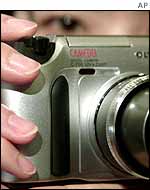
| | Tuesday, 23 July, 2002, 12:36 GMT 13:36 UK Picture perfect patent row 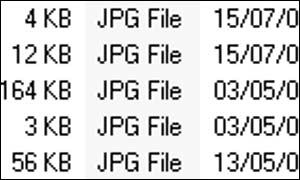 Jpg is a very common file format. A Texan company is claiming ownership of a popular method of shrinking and sharing images on the internet. In early July Forgent Networks claimed ownership of a patent giving it rights to the Jpeg technology that many companies, programs and gadgets use to format images. The company has already won multi-million dollar royalty payouts from two Japanese companies. But its claims to the technology are being disputed by an industry group that is now looking for evidence that the patent is invalid. Compression claim The Jpeg format has become hugely popular because it does a good job of capturing the detail of an image and the resulting files can be small enough to store or send across the net. Many websites, handheld computers and phones display Jpeg images and scanners, digital cameras and picture editing programs let people save images in this format. An image saved this way will probably be identified with a.jpg suffix.
Forgent claims that it acquired the rights to the Jpeg technology when it acquired a company called Compression Labs in 1997. Forgent said that nine years earlier Compression Labs was granted a patent for its work on the best way to compress images but had not pursued any royalty claims. Sony and another unnamed Japanese corporation have already reportedly paid Forgent millions in royalties. An industry group called the Joint Photographic Experts Group, which draws up and manages international specifications on image formatting, has questioned Forgent's claim. The Jpeg name is derived from the group. In a statement the group said it believed that Forgent's patent was granted after much of the work on the Jpeg image compression technique had been done and was being publicy aired and discussed. If these claims of 'prior art' can be verified then Forgent's patent claim could fall. The Jpeg group is now asking image experts to scour archives for evidence of the prior art so it can present a convincing case to Forgent and, if necessary, help companies fight royalty claims. Forgent is not the first company to lay claim to a widely used technology. British telecommunications company BT is currently trying to establish rights to the hyperlinks that make the web what it is today. Similarly, in 1994 Unisys laid claim to a technology used to make images using the .gif, Graphics Interchange Format, specification. | | See also:  11 Feb 02 | dot life 15 Dec 00 | Science/Nature 30 May 00 | Sci Tech 07 Mar 02 | Business 25 Oct 99 | Business 16 Jun 01 | Business 03 Sep 01 | Business Internet links: The BBC is not responsible for the content of external internet sites Top Technology stories now: Links to more Technology stories are at the foot of the page. | |||||||||||||||||||||||||||||||||||||||||||||||||||||||||||||||||||||||||||||||||||||||||||||||||||||||||||||||||||||||||||||||||||||
| |
|  E-mail this story to a friend E-mail this story to a friend |
| |
| Links to more Technology stories |
| | | ||
 | ||||
 | | Back to top
| ||
| ---------------------------------------------------------------------------------- To BBC Sport>> | To BBC Weather>> | To BBC World Service>> ---------------------------------------------------------------------------------- © MMIII | News Sources | Privacy |