|
 |
 | | | | | | ||||||||||||||||||||||||||||||||||||||||||||||||||||||||||||||||||||||||||||||||||||||||||||||||||||||||||||||||||||||||||||||||||||||||||||||||||||||||||
| | | You are in: Talking Point | ||||||||||||||||||||||||||||||||||||||||||||||||||||||||||||||||||||||||||||||||||||||||||||||||||||||||||||||||||||||||||||||||||||||||||||||||||||||||||||
|
| | Friday, 16 August, 2002, 17:14 GMT 18:14 UK Is the current system of youth detention working? 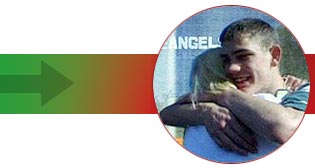 An estimated 80% of Britain's youth prisoners will re-offend after release, and the majority of these crimes are drug-related. A groundbreaking BBC film explores the drugs and crime cycle from the point of view of the young offenders themselves. Little Angels tells the story of Michelle Pickthall and Shaun Mann, just two of the many young offenders struggling to stay clean and go straight after their release from prison. Young prisoners are often faced with similar dilemmas on their release. Some young offender institutions have very good drug rehabilitation and education units. But often inmates are not in long enough to complete their programme and they are still vulnerable when released to fend for themselves. Does the current system of youth detention and rehabilitation work, or is it simply a cycle of crime and drug abuse? Should more be done to help youth offenders and young addicts go straight on release? Or do they receive enough assistance as it is? This debate is now closed. Read a selection of your comments below.
Dawn, UK As a teacher in an inner city secondary school, I wish that the government would watch this type of programme and realise just what difficulties these young people are experiencing. In many cases, it is a miracle sometimes that they even manage to get up in a morning in time to attend school, let alone achieve government targets.
Amanda Harrison, UK Without doubt more should be done to help youth offenders and young addicts go straight on release AND any offender and addict regardless of their age. Addicts never recover they can only learn to live and accept that they are an addict without substance abuse. What about the producers of this film coming to make a documentary which gives the other side to this total misrepresentation of Skelton? We the people of Skelton wish to present the everyday life of an East Cleveland village. We would also like to present the fact that East Cleveland police do not wish to attend most calls to drug related incidents in this area unless an arrest is to their benefit.
Tricia, UK Watching this programme was heartbreaking. If only school children could see this programme, then maybe they would think twice before taking these drugs. I really admire the bravery of the people in this programme and their honesty. Little Angels was excellent. What a scary and lonely world drugs addiction is, certainly one I would not want to visit. My brother has been addicted to heroin for a few years now, and watching Little Angels last night was just like watching my brother's life . People don't understand anything about the substance until they have been through this. It's not just the addict that is affected, it affects the whole family and is a living hell. Thank you for showing this powerful piece of film, I hope it makes people think more help is needed.
Jane Sawyer, Wales That was a fantastic film - very moving. And it shows that until we can accept that addiction is an illness and needs to be treated as such this sort of problem is not going to go away...
Nicola, UK Clearly, any addiction is hard to break. Getting society to sit up and act positively in dealing with the deep social issues raised by addiction is vital if the cycle of deprivation, abuse, crime and imprisonment is to be broken. It was unfortunate then to see a programme purporting to tackle these important issues which in great part sought to manipulate the real life participants into shooting heroin, reconstructing suicide attempts and trying to make personal trauma into some kind of voyeuristic sensation. A wasted opportunity. What a great programme. Why are there not more programmes like this out there? Why oh why isn't this being shown in every school across the country? Let these youngsters see the truth. Sentences should comprise three distinct components, and the extent of each should be declared separately. There should be Recompense (where a criminal is made to work to compensate their victim(s) in full for any damage or loss inflicted), Retribution (where the criminal is punished for doing what they have done) and finally rehabilitation (where the criminal receives help, be it education or medical treatment, to rehabilitate them in to society). The rehabilitation sentence should be "fixed" in terms of its outcome, not its duration - hopefully avoiding part-treatment which is so problematic today. Perhaps when young criminals realise they are truly accountable for their actions we might see a reduction in the level of crime evident today
Barry P, England As a society we continue to send mixed messages to everyone, especially the young. On the one hand we say drugs are bad, we then have a 'liberal' experiment where we do not arrest people. Then we introduce another system where some people get arrested and others don't. Children and young people will test boundaries that is what growing up involves and many people have minor brushes with the law. The trick is to manage those situations so that the person goes onto becomes a responsible person. Sentences are not long enough to either rehabilitate or offer a deterrent. They put young people inside just long enough to acquire new criminal skills and meet new criminal associates. Young people who are convicted of a crime which involves drugs or alcohol in any way should be put straight into a rehabilitation programme. But as soon as anyone suggests that, we get the 'civil liberties' mob saying that it's unfair to sentence a burglar to 2 years in prison when the law says they should only get a few months, or probation. We need a change in the law that will give judges the option to impose longer custodial sentences for drug rehabilitation.
Eileen, UK Reading this Talking Point, it could be asked of children in the USA as well. My son spent a year in prison, and when he was released, there were really no services available to him as his length of stay was not long enough, nor was he eligible for anything while he was incarcerated, as most programmes are geared for inmates that have a stay of 13 months or longer. My son was lucky; he had the support of family behind him. I hate to think what his life would be like if we didn't stick with him... a lot of parents tend to just give up. | |
Internet links:  The BBC is not responsible for the content of external internet sites Top Talking Point stories now: Links to more Talking Point stories are at the foot of the page. | ||||||||||||||||||||||||||||||||||||||||||||||||||||||||||||||||||||||||||||||||||||||||||||||||||||||||||||||||||||||||||||||||||||||||||||||||||||||||||
| |
|  E-mail this story to a friend E-mail this story to a friend |
| |
| Links to more Talking Point stories |
| | | ||
 | ||||
 | | Back to top
| ||
| ---------------------------------------------------------------------------------- To BBC Sport>> | To BBC Weather>> | To BBC World Service>> ---------------------------------------------------------------------------------- © MMIII | News Sources | Privacy |