|
 |
 | | | | | | |||||||||||||||||||||||||||||||||||||||||||||||||||||||||||||||||||||||||||||||||||||||||||||||||||||||||||||||||||||||||||||||||||||||||||||||||||||||||||||||||||||||||
| | | You are in: South Asia | |||||||||||||||||||||||||||||||||||||||||||||||||||||||||||||||||||||||||||||||||||||||||||||||||||||||||||||||||||||||||||||||||||||||||||||||||||||||||||||||||||||||||||
|
| | Friday, 7 February, 2003, 13:33 GMT Pakistan envoy denies militant cash  Arrested pair Anzum Zabru Habib (left) and Shabir Dar Pakistan's acting High Commissioner in Delhi, Jalil Abbas Jilani, has dismissed as "absolute rubbish" claims by Indian police that he handed over thousands of dollars to fund Kashmiri militancy.
Police said one of those arrested was carrying more than $6,000 in cash, which she said Mr Jilani had given her. Pakistan summoned the Indian envoy in Islamabad on Friday to lodge a strong protest over the allegations. The dispute is the latest sign the tense and hostile relationship between the two nuclear neighbours is again worsening. Alliance members Mr Jilani told the BBC the statements by Indian police were "absolutely baseless".
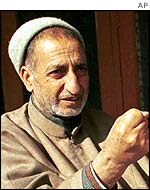
He accused the Indian authorities of carrying out a disinformation campaign and of harassing him. He said he had never met the Kashmiri woman at the centre of the allegations, Anzum Zabru Habib, and had not supplied cash for militancy. The main separatist alliance in Indian-administered Kashmir - the All-Party Hurriyat Conference (APHC) - said the two people arrested were its members. However, the alliance's chairman, Professor Abdul Gani Bhat, denied they had any role in funnelling money to militants. The alliance also offered to set up an inquiry into claims it had funded militants. It said the proposal was in response to attempts by the right-wing Bharatiya Janata Party-led government to close the alliance's Delhi office. 'Admission' Indian police say they arrested Ms Habib soon after she left the Pakistan High Commission and questioned her about the large amount of cash she was carrying. They say she admitted the money was given to her by Mr Jilani for militants opposed to Indian administration in Kashmir.
A second suspect, Shabir Dar, was arrested later. Last month, both sides withdrew senior diplomats after allegations of harassment by the other country's intelligence services. Last year, India and Pakistan caused alarm when they deployed massive military forces along their common border and seemed dangerously close to war. After intense international pressure and pledges from Islamabad of a permanent end to support of cross-border militancy, tensions and troops were reduced. But BBC correspondent in Delhi, Jill McGivering, says Indian politicians have remained sceptical about Pakistan's promise and still accuse Islamabad of funding and supporting militants. They refuse to start dialogue until they are satisfied that that support has ended. Pakistan says it only provides diplomatic and moral support to Kashmiri militants, whom it describes as freedom fighters involved in a just struggle. | |
See also:  23 Jan 03 | South Asia 03 Jan 02 | South Asia 26 Dec 01 | South Asia 03 Jan 02 | South Asia 01 Jan 02 | Politics 27 Dec 01 | South Asia Internet links: The BBC is not responsible for the content of external internet sites Top South Asia stories now: Links to more South Asia stories are at the foot of the page. | |||||||||||||||||||||||||||||||||||||||||||||||||||||||||||||||||||||||||||||||||||||||||||||||||||||||||||||||||||||||||||||||||||||||||||||||||||||||||||||||||||||||||
 | |
|  E-mail this story to a friend E-mail this story to a friend |
| |
| Links to more South Asia stories |
| | | ||
 | ||||
 | | Back to top
| ||
| ---------------------------------------------------------------------------------- To BBC Sport>> | To BBC Weather>> | To BBC World Service>> ---------------------------------------------------------------------------------- © MMIII | News Sources | Privacy |




 Such planted stories are a figment of imagination of the Indian security agencies