|
 |
 | | | | | | ||||||||||||||||||||||||||||||||||||||||||||||||||||||||||||||||||||||||||||||||||||||||||||||||||||||||||||||||||||||||||||||||||||||||||||||||||||||||||||||||||||||||
| | | You are in: South Asia | ||||||||||||||||||||||||||||||||||||||||||||||||||||||||||||||||||||||||||||||||||||||||||||||||||||||||||||||||||||||||||||||||||||||||||||||||||||||||||||||||||||||||||
|
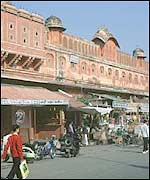
| | Thursday, 16 January, 2003, 11:13 GMT Rajasthan to brew traditional tipple  Many royal palaces have been converted into heritage hotels
Rajasthan, a land synonymous with romance and chivalry, attracts large number of tourists drawn by the state's cultural heritage.
Now a high-level committee of the Rajasthan Government has recommended that "heritage liquor" be promoted and marketed. Authorities in the state see this as a way of ensuring that traditional concoctions are not lost forever. Ashok Bhandari, a senior Rajasthani tax official, told the BBC the move is aimed at preserving old recipes and also to woo tourists. He said there was a demand by many to promote the concept of such concoctions to prevent them from vanishing. Royal past Rajasthan was formerly home to several kingdoms and some 23 such "princely states" patronised different preparations and brands of alcohol.
One of the most well-known was the alcohol brewed in the princely state of Mehansar, in Rajasthan's Shekhawati region. "Mehansar's liquor was manufactured with Indian spices and was famous for its flavour of aniseed and jaggery [molasses], says Ganeshwar Singh of Mehansar's former royal family. "We were authorised to manufacture liquor during princely days," he adds. The alcohol was free of chemicals and used no artificial colouring. Only herbs and spices were applied during the processing and the beverage produced was not hazardous to one's health, he claims. "It would not cause any hangover, no after effects," Mr Singh said. The only colour used during the manufacturing process was extracted from local plants. Handwritten recipes But only a few people in the state are skilled in the art of producing heritage liquor. The recipes are mostly handwritten - many of them dating back several hundred years. Hotel owners in the state have welcomed the move, saying it would help in promoting tourism. Just a few years ago, a brewery in Udaipur had to end production of Asha, an alcoholic beverage believed to have been the drink of the city's former royal family, because of lack of sales. It didn't attract enough interest amongst tourists, and was too expensive for local people. By contrast, the consumption of crude locally-made alcohol, described as "country liquor" in Rajasthan, is estimated at over a hundred million litres per year. | | See also:  14 Jan 03 | South Asia 14 Nov 02 | South Asia 21 Jul 00 | South Asia Internet links: The BBC is not responsible for the content of external internet sites Top South Asia stories now: Links to more South Asia stories are at the foot of the page. | ||||||||||||||||||||||||||||||||||||||||||||||||||||||||||||||||||||||||||||||||||||||||||||||||||||||||||||||||||||||||||||||||||||||||||||||||||||||||||||||||||||||||
 | |
|  E-mail this story to a friend E-mail this story to a friend |
| |
| Links to more South Asia stories |
| | | ||
 | ||||
 | | Back to top
| ||
| ---------------------------------------------------------------------------------- To BBC Sport>> | To BBC Weather>> | To BBC World Service>> ---------------------------------------------------------------------------------- © MMIII | News Sources | Privacy |






 It would not cause any hangover, no after effects