|
 |
 | | | | | | ||||||||||||||||||||||||||||||||||||||||||||||||||||||||||||||||||||||||||||||||||||||||||||||||||||||||||||||||||||||||||||||||||||||||||||||||||||||||||||||||||||||||||||||||||||||||||
| | | You are in: South Asia | ||||||||||||||||||||||||||||||||||||||||||||||||||||||||||||||||||||||||||||||||||||||||||||||||||||||||||||||||||||||||||||||||||||||||||||||||||||||||||||||||||||||||||||||||||||||||||||
|
| | Tuesday, 10 December, 2002, 13:14 GMT Gujarat Muslims' poll hopes 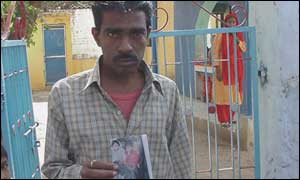 The polls have brought back sad memories
The elections in Gujarat have brought back uneasy memories for the Muslim community in the state. Earlier this year, they bore the brunt of some of the worst religious riots seen in India in decades. More than a thousand Muslims died - independent sources place the figure at closer to 2,000.
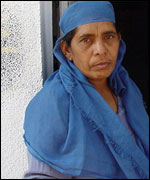
Naroda Patiya is a dusty suburb of the Gujarati commercial capital, Ahmedabad. Most of its residents are poor, working class Muslims, many of them migrants from other parts of India. Some 60 of them were killed in the riots that followed the attack on a train carrying Hindu pilgrims, allegedly by a Muslim mob. More than half of the 1,300 houses in the neighbourhood were destroyed. Yunus, 30, is a rickshaw driver. As he recalled that fateful day in March, he said he had never seen anything like it. "We thought we were all going to die," he said simply. "Many Muslims are still terrified - they fear the violence could be repeated." Painful memories Down a narrow lane in the shantytowns of Naroda Patiya, amidst uncleared garbage and stray dogs, is a tiny one-room house, freshly built. It is the home of Mariam Bibi, whose 18-year-old son was burnt alive in front of her.
Further down her lane, Inayat Abdur Rahim lost his mother and two little sons. "They came in the thousands chanting, kill them, burn them," he said. Months later, Mariam and Inayat and many others have had almost no compensation. Their houses have been rebuilt - not by the government but voluntary groups. "People who lost their homes were offered compensation of about 7,000 rupees ($140)," says Pradip Chacko of Citizens' Initiative, a collective of aid groups working to rehabilitate riot victims. "What can you build with that little money?" Looking to count Now with elections to the state looming, Muslims in Naroda Patiya and other Ahmedabad neighbourhoods are sure of one thing. They plan to get out to vote in strength on Thursday.
"But now we know that it is very very important that we make our vote count." Bridging the divide Gujarat has been torn apart and a wide schism divides the Muslim minority from the Hindu majority, one that many fear is widening by the day. Across town lies the sprawling, ghetto of Juhapura, home to 100,000 people, all Muslim. A narrow road divides it from neighbouring Vejalpur - which is entirely Hindu.
"India is on one side and Pakistan on the other," says Deepak, a local resident. No Juhapura Muslim was attacked during the riots - the Hindus say none of the rioters dared enter the neighbourhood. Juhapura is symbolic of the new Ahmedabad - it was developed in the 1990s after religious riots forced many Muslims to move out of mixed neighbourhoods. "For many years the Muslim working class lived alongside working-class Hindus in the walled [old] city," says social commentator Achyut Yagnik. "Now there is a sense of boundaries and clearly separate identities." Looking ahead Analysts say Gujarat's Muslims are being pushed into a corner because they have little political value. Unlike in India's political heartland in the northern states of Bihar and Uttar Pradesh, Gujarati Muslims can hope to influence the outcome in only a handful of districts. "As a result no party is really looking to raise their issues or concerns," says Ajay Umath of the Gujarat Samachar. "We just want a government that will look after us and not create a climate of fear," says Allah Rakha, a Muslim resident who lives in the shadow of Ahmedabad's 15th century Jama Masjid (Grand Mosque). "We've lived together for centuries. We need one another. Besides, where can we Muslims go?" | |
See also:  31 Oct 02 | South Asia 28 Oct 02 | South Asia Internet links: The BBC is not responsible for the content of external internet sites Top South Asia stories now: Links to more South Asia stories are at the foot of the page. | ||||||||||||||||||||||||||||||||||||||||||||||||||||||||||||||||||||||||||||||||||||||||||||||||||||||||||||||||||||||||||||||||||||||||||||||||||||||||||||||||||||||||||||||||||||||||||
| |
|  E-mail this story to a friend E-mail this story to a friend |
| |
| Links to more South Asia stories |
| | | ||
 | ||||
 | | Back to top
| ||
| ---------------------------------------------------------------------------------- To BBC Sport>> | To BBC Weather>> | To BBC World Service>> ---------------------------------------------------------------------------------- © MMIII | News Sources | Privacy |