|
 |
 | | | | | | |||||||||||||||||||||||||||||||||||||||||||||||||||||||||||||||||||||||||||||||||||||||||||||||||||||||||||||||||||||||||||||||||||||||||||||||||||||||||||||||||||||||||||||||||
| | | You are in: South Asia | |||||||||||||||||||||||||||||||||||||||||||||||||||||||||||||||||||||||||||||||||||||||||||||||||||||||||||||||||||||||||||||||||||||||||||||||||||||||||||||||||||||||||||||||||||
|
| | Wednesday, 13 November, 2002, 16:59 GMT New date for Pakistan assembly 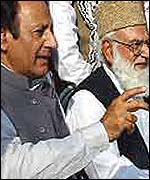 Political parties have yet to strike a deal Pakistan's President Pervez Musharraf has summoned parliament to meet on Saturday for the first time since he seized power in a military coup three years ago.
The newly-elected National Assembly should have met last Friday, but its first session was postponed to allow further negotiations. Coalition talks have gone on since October when general elections resulted in a hung parliament. The pro-military party, the PML-Q, won the most seats. In second place was the Pakistan People's Party of former prime minister Benazir Bhutto, and an Islamist alliance, the MMA, came a surprising third. But no party has yet been able to secure a majority in the 342-seat house. Compromise Last week, the pro-democracy alliance which Ms Bhutto's party dominates said it had struck a deal with the religious alliance. That prompted the pro-Musharraf PML-Q to call for more time to negotiate. BBC correspondent Zaffar Abbas in Islamabad says a deal between the PML-Q and the religious alliance now looks on the cards. He says it appears General Musharraf may have agreed to dilute the effects of the controversial changes he had made in the constitution ahead of the elections. It remains to be seen, however, who will emerge as the new prime minister - another key sticking point. The Islamists' emergence as kingmakers caused widespread shock in Pakistan and abroad. Some of their leaders want to close down US bases in Pakistan and introduce an Islamic system. | |
Internet links:  The BBC is not responsible for the content of external internet sites Top South Asia stories now: Links to more South Asia stories are at the foot of the page. | |||||||||||||||||||||||||||||||||||||||||||||||||||||||||||||||||||||||||||||||||||||||||||||||||||||||||||||||||||||||||||||||||||||||||||||||||||||||||||||||||||||||||||||||||
| |
|  E-mail this story to a friend E-mail this story to a friend |
| |
| Links to more South Asia stories |
| | | ||
 | ||||
 | | Back to top
| ||
| ---------------------------------------------------------------------------------- To BBC Sport>> | To BBC Weather>> | To BBC World Service>> ---------------------------------------------------------------------------------- © MMIII | News Sources | Privacy |