|
 |
 | | | | | | |||||||||||||||||||||||||||||||||||||||||||||||||||||||||||||||||||||||||||||||||||||||||||||||||||||||||||||||||||||||||||||||||||||||||||||||||||||||||||||||||||||||||||||||||
| | | You are in: South Asia | |||||||||||||||||||||||||||||||||||||||||||||||||||||||||||||||||||||||||||||||||||||||||||||||||||||||||||||||||||||||||||||||||||||||||||||||||||||||||||||||||||||||||||||||||||
|
| | Thursday, 17 October, 2002, 16:16 GMT 17:16 UK Analysis: Slight easing of tension 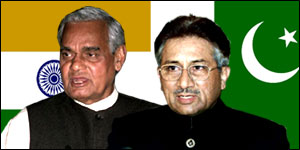 Mr Vajpayee and General Musharraf have been together at multi-lateral forums
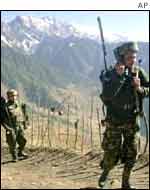
Hundreds of thousands of troops are to be pulled back on both sides of the border, ending the longest ever peacetime deployment by the two armies. The move has been welcomed by the international community and seen as an important step towards eventual de-escalation. But it is unlikely to lead to any immediate peace talks between the two countries. India continues to maintain troops along the Line of Control, which separates the two armies in the disputed state of Kashmir. And it says that it will continue to maintain pressure on Pakistan until cross-border infiltration of separatist militants comes to an end. Inevitable Analysts say that both countries had little choice but to pull back from their border confrontation. "It is impossible for any country to deploy its strike forces for this length of time," says newspaper editor Bharat Bhushan. "They had to be called back at some point." Military experts say the lengthy deployment had led to fatigue among the troops, leading to low morale and cases of indiscipline.
"The army was in favour [of the withdrawal]. It was leading to a severe toll on men and machines," says Rahul Bedi of the Janes Defence Weekly. It was also difficult to keep the army in a state of constant readiness for over ten months. "Readiness is a mental quality," says former Indian army chief VN Sharma. "One cannot do that by standing at the border all the time." The standoff was also costing both countries millions of dollars, something they could ill afford. Kashmir 'success' Elections in the Indian-ruled part of Kashmir ended last week and is seen as having presented India an opportunity to recall its troops from the border. "With the Kashmir elections having gone off very well for India, it was an ideal opportunity to seize," says Mr Bhushan.
But the move has also been criticised by those who feel that India did not meet its objectives. "Over 800 people died during the Kashmir elections," says G Parthasarathy, a former Indian high commissioner to Pakistan. An analyst at India's Centre for Policy Research, Brahma Chellany, said the Indian prime minister had recently stated that infiltration across the LoC had increased. "Then we decide to withdraw our troops. This will be seen as a sign of weakness." Diplomatic moves But no real progress can be made until the two countries hold one-to-one talks, something that India has refused to do. Despite some suggestion that the Indian prime minister may travel to Islamabad in January to attend a regional summit, it is highly unlikely that he will hold talks with the Pakistan leadership. Both countries had recalled their diplomatic envoys from the two capitals and there are no signs that they will be sent back. Nevertheless, there is an obvious sense of relief that the two countries have moved away from confrontation along the border. Both countries came close to an all-out war in May, leading to international fears that it could spark off a nuclear conflict. | |
See also:  11 Oct 02 | South Asia 11 Oct 02 | South Asia Top South Asia stories now: Links to more South Asia stories are at the foot of the page. | |||||||||||||||||||||||||||||||||||||||||||||||||||||||||||||||||||||||||||||||||||||||||||||||||||||||||||||||||||||||||||||||||||||||||||||||||||||||||||||||||||||||||||||||||
| |
|  E-mail this story to a friend E-mail this story to a friend |
| |
| Links to more South Asia stories |
| | | ||
 | ||||
 | | Back to top
| ||
| ---------------------------------------------------------------------------------- To BBC Sport>> | To BBC Weather>> | To BBC World Service>> ---------------------------------------------------------------------------------- © MMIII | News Sources | Privacy |