|
 |
 | | | | | | |||||||||||||||||||||||||||||||||||||||||||||||||||||||||||||||||||||||||||||||||||||||||||||||||||||||||||||||||||||||||||||||||||||||||||||||||||||||||||||||||||||||||||
| | | You are in: South Asia | |||||||||||||||||||||||||||||||||||||||||||||||||||||||||||||||||||||||||||||||||||||||||||||||||||||||||||||||||||||||||||||||||||||||||||||||||||||||||||||||||||||||||||||
|
| | Monday, 14 October, 2002, 17:27 GMT 18:27 UK Kashmir parties jockey for power 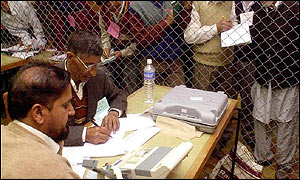 The National Conference won only 28 out of 87 seats Bitter wrangling between political parties has continued in Indian-administered Kashmir after inconclusive results in state elections. Members of the Congress Party and the regional People's Democratic Party met separately in the state capital, Srinagar, on Monday after a strong showing in the polls.
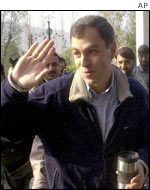
Meanwhile, the defeated National Conference leader has announced his resignation as India's junior foreign minister, saying he wanted to rebuild his party.
The National Conference is still the largest party in Indian-administered Kashmir despite a disastrous perfomance in which it lost 29 of its 57 seats. Congress won 20 seats and the PDP 16 in the 87-member assembly. Governor's talks Kashmir Governor Gary Saxena held exploratory consultations on forming a government with both Congress and the PDP on Monday. He also met Mr Abdullah.
But the PDP insists its leader, Mufti Mohammad Sayeed, should head the government. He said on Monday that the PDP differed with Congress on fundamental issues. ''Congress is not ready to hold unconditional dialogue with separatists and we should reach a minimum agreement before we go ahead with the alliance,'' Mr Sayeed said. The PDP wants the top post to go to a Muslim from the Kashmir Valley, the centre of the armed insurgency which has left tens of thousands dead in the past decade. Mr Azad is a Muslim from the Hindu-dominated Jammu region. He says he will seek agreement with the PDP and other "like-minded parties and individuals", but would still try to form a government if he fails. "Congress is of the opinion that it should head the government but the PDP wants the lead role," he said. Conference hopes Mr Abdullah lost his own seat and his party surrendered power for the first time in almost three decades. The National Conference could still stitch together an alternative coalition to retain power, although analysts believe they will not find enough allies. Whoever tries to form a government will have to rely on the support of smaller parties and independents who have more than 20 seats. "We are still in the race [to form a government] and people are joining us as we go along," said Farooq Abdullah, the state's outgoing chief minister and Omar Abdullah's father. | |
See also:  11 Oct 02 | South Asia 11 Oct 02 | South Asia Internet links: The BBC is not responsible for the content of external internet sites Top South Asia stories now: Links to more South Asia stories are at the foot of the page. | |||||||||||||||||||||||||||||||||||||||||||||||||||||||||||||||||||||||||||||||||||||||||||||||||||||||||||||||||||||||||||||||||||||||||||||||||||||||||||||||||||||||||||
| |
|  E-mail this story to a friend E-mail this story to a friend |
| |
| Links to more South Asia stories |
| | | ||
 | ||||
 | | Back to top
| ||
| ---------------------------------------------------------------------------------- To BBC Sport>> | To BBC Weather>> | To BBC World Service>> ---------------------------------------------------------------------------------- © MMIII | News Sources | Privacy |