|
 |
 | | | | | | |||||||||||||||||||||||||||||||||||||||||||||||||||||||||||||||||||||||||||||||||||||||||||||||||||||||||||||||||||||||||||||||||||||||||||||||||||||||||||||||||||||||||||||||||||||||||||||||||||||||||||||||||||||||||||||||||||||
| | | You are in: South Asia | |||||||||||||||||||||||||||||||||||||||||||||||||||||||||||||||||||||||||||||||||||||||||||||||||||||||||||||||||||||||||||||||||||||||||||||||||||||||||||||||||||||||||||||||||||||||||||||||||||||||||||||||||||||||||||||||||||||||
|
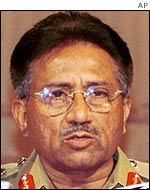
| | Thursday, 10 October, 2002, 22:50 GMT 23:50 UK Pakistan awaits poll result 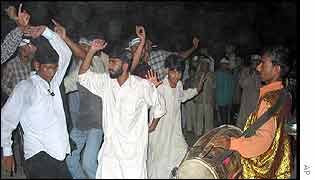 Religious parties have been doing well Counting is under way in Pakistan's first general election since General Pervez Musharraf seized power in a military coup three years ago.
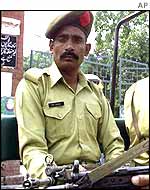
Turnout was reported to be noticeably low in cities but much higher in rural areas as voters chose new members of parliament and regional assemblies. At least six people have died in clashes between rival party supporters and there has been heavy security throughout the country.
Washington has welcomed the holding of the elections but warned that a key test ahead was the transfer of power to elected bodies. "The next critical step will be the transfer of power to national and provincial assemblies and we will continue to watch this process very closely," said Assistant Secretary of State for South Asia Christina Rocca. Women stay at home Results coming in from the conservative North West Frontier region bordering Afghanistan show a strong swing to Islamic fundamentalist parties there. In most areas of the country, many women did not turn up to vote. In one polling station reserved for women, only 20% had cast their votes minutes before polls closed. The BBC's Shahid Malik says there was more enthusiasm among young voters, as the lower age limit for voters was reduced from 21 to 18 in these polls. Slow voting On Wednesday, President Musharraf promised that the elections would be free and fair. But political opponents and human rights groups have accused the Pakistani Government of rigging the vote through intimidation and harassment.
Nearly 72 million Pakistanis were eligible to vote for the new national assembly and four provincial assemblies. The institutions were suspended, then disbanded, by President Musharraf after he took power in a bloodless coup in 1999. He promised to restore the assemblies and build "genuine democracy", charging the four previous civilian governments with corruption and mismanagement. In a nationwide address on the eve of polling, the general promised to relinquish the post of chief executive and "transfer full executive powers to the prime minister". But, he added, he would retain important powers, such as being able to dismiss parliament. 'Sham' democracy Critics and independent observers have accused General Musharraf of ensuring real power remains in his hands. The president pushed through a number of reforms in his favour before the elections and he blocked Mrs Bhutto and former Prime Minister Nawaz Sharif from standing as candidates.
General Musharraf's term as president was also extended by five years to 2007 in a controversial referendum. The US-based Human Rights Watch said on Wednesday that Pakistan had "witnessed a consolidation of military power rather than a transition to democracy" in the three years since the coup. The BBC's Susannah Price, in Islamabad, says the election campaign was dominated by President Musharraf, even though he was not running for office. The president imposed stringent restrictions on when and where political rallies could be held and disqualified scores of opposition candidates. The opposition parties have also accused the president and the military of backing the PML-Q at the expense of the PPP and Mr Sharif's Pakistan Muslim League (Nawaz). | |
See also:  10 Oct 02 | South Asia 09 Oct 02 | South Asia 09 Oct 02 | South Asia 09 Oct 02 | South Asia 08 Oct 02 | South Asia 08 Oct 02 | South Asia 08 Oct 02 | South Asia 09 Oct 02 | Country profiles 10 Oct 02 | Media reports Internet links: The BBC is not responsible for the content of external internet sites Top South Asia stories now: Links to more South Asia stories are at the foot of the page. | |||||||||||||||||||||||||||||||||||||||||||||||||||||||||||||||||||||||||||||||||||||||||||||||||||||||||||||||||||||||||||||||||||||||||||||||||||||||||||||||||||||||||||||||||||||||||||||||||||||||||||||||||||||||||||||||||||||
| |
|  E-mail this story to a friend E-mail this story to a friend |
| |
| Links to more South Asia stories |
| | | ||
 | ||||
 | | Back to top
| ||
| ---------------------------------------------------------------------------------- To BBC Sport>> | To BBC Weather>> | To BBC World Service>> ---------------------------------------------------------------------------------- © MMIII | News Sources | Privacy |