|
 |
 | | | | | | |||||||||||||||||||||||||||||||||||||||||||||||||||||||||||||||||||||||||||||||||||||||||||||||||||||||||||||||||||||||||||||||||||||||||||||||||||||||||||||||||||||||||||||
| | | You are in: South Asia | |||||||||||||||||||||||||||||||||||||||||||||||||||||||||||||||||||||||||||||||||||||||||||||||||||||||||||||||||||||||||||||||||||||||||||||||||||||||||||||||||||||||||||||||
|
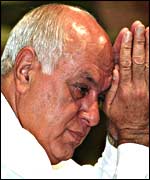
| | Tuesday, 17 September, 2002, 18:00 GMT 19:00 UK Key figures in Kashmiri politics Profiles of some of the key figures in politics in Indian-administered Kashmir. Farooq Abdullah Farooq Abdullah, 65, has dominated politics in Indian-administered Kashmir for many years, having been chief minister three times.
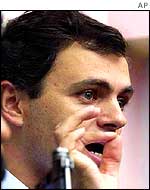
He became chief minister after his father died in 1982, and has been in and out of office ever since. In his 25 years of political life, he has always accepted that Kashmir should remain part of the Indian union. But he campaigned vigorously for greater autonomy within India and more central funds for the ailing Kashmiri economy, leading to an often difficult relationship with Delhi. But his detractors accuse him of abandoning the state and going to live in the UK when militancy was at its peak in Kashmir. Farooq Abdullah is also criticised for shifting allegiances - he was allied with the Congress Party in 1987 when it was in power in Delhi, but switched sides in 1996 to support the United Front government. He is now an ally of the ruling Indian coalition led by the Hindu nationalist Bharatiya Janata Party (BJP). Observers say with the anointment of his son, Omar, as the leader of the National Conference party, Farooq Abdullah is now planning to play an active role in national politics from Delhi. Omar Abdullah Omar Abdullah began his political career with a distinct advantage - he shared the famous family name. Mild mannered and articulate, the 32-year-old was until his recent resignation the youngest minister in the central government in Delhi. Born in the UK, Omar took a masters in business administration before switching to the family profession of politics. He contested and won his first election in 1998 from a Srinagar parliamentary constituency, a seat once held by his father.
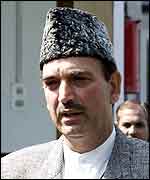
Political observers say Omar is now set to enter politics in his home state. He is being groomed by his father Farooq Abdullah and was recently appointed head of the National Conference party. But critics say it will take Omar Abdullah more than a famous surname to prove himself in politics. Ghulam Nabi Azad Ghulam Nabi Azad, 53, began his political career as a youth leader of the Congress Party. It gave him a chance to come close to those who mattered, and he began a fruitful relationship with the Gandhi dynasty.
Changes of guard at Congress Party headquarters never seemed to have much effect on his political life, and he was always the confidante of whoever was party leader. But his continued presence in Delhi also proved a disadvantage. Azad remained cut off from the people of Indian-administered Kashmir, his home state. His critics often call him a "non-resident Kashmiri" - that didn't stop him leading his party to victory in recent state elections. Azad is now emphasising his Kashmiri roots, his administrative skills and his party's showing in the polls to claim the state's chief ministership. Mufti Mohammad Sayeed Mufti Mohammad Sayeed has the distinction of being India's first Muslim home minister. But his term of office was overshadowed by the kidnapping of his daughter by Kashmiri militants in 1989.
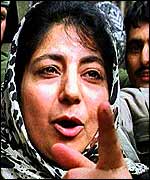
Born in 1936, Sayeed's political journey began in 1950 with the National Conference party. But he has changed allegiance frequently - he left the National Conference to join the Congress Party, then went over to the Janata Dal, again rejoined the Congress and finally quit it to form his own People's Democratic Party (PDP). His one consistent position has been his desire to unseat the National Conference from power in Kashmir. Mufti's other daughter, Mehbooba Mufti, has joined politics and is the vice-president of the party. Shabir Shah Shabir Shah was one of the first leaders to be arrested after separatist violence started in Indian-administered Kashmir more than a decade ago.
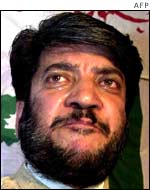
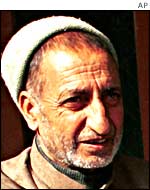
He also advocates tripartite talks between India, Pakistan and the Kashmiris to solve the dispute. Mr Shah has also had his differences with separatist colleagues. He was suspended from the main Kashmiri separatist alliance - the All Party Hurriyat Conference - in the mid-1990s after in a row about talks he held with the then US ambassador to India. He launched his own party - the Jammu and Kashmir Democratic Freedom Party - in late 1990s. Mr Shah has said he will not participate in the state assembly elections. He has said that he would only take part if the Indian Government agrees to a dialogue about the future of Kashmir with those elected. Abdul Gani Bhat Abdul Gani Bhat, who is in his 60s, taught Persian in a government-run college before being sacked for his alleged anti-India political activities.
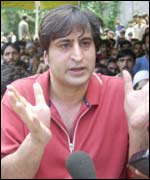
He calls for Indian-administered Kashmir's accession to Pakistan. But his younger brother was, in fact, killed by pro-Pakistan militants fighting Indian rule in Kashmir. In 1993, his party - the Muslim Conference - became a part of the main Kashmiri separatist alliance - the All Party Hurriyat Conference (APHC). As chairman of the APHC, he has opposed state elections, but has held talks on the Kashmir dispute with a non-governmental group - the Kashmir Committee. Sajjad Lone Sajjad Lone has had a dramatic entry into politics. He assumed leadership of the regional People's Conference party - a key constituent of Indian Kashmir's leading separatist alliance, the All Party Hurriyat Conference (APHC) - following the murder of his father, Abdul Ghani Lone in May.
Sajjad hit the headlines on the very day of his father's death, accusing at first hardliners within the Hurriyat, then Pakistan's Inter Services Intelligence (ISI), and finally the Indian government for the senior Lone's killing. Controversy has followed him almost ever since. Although officially committed to the Hurriyat's opposition to participation in elections, Sajjad has triggered a debate amongst senior Hurriyat leaders for having failed to prevent his own party members from running. The issue at one time led to the Hurriyat considering expelling Sajjad's party from its alliance but has so far decided not to. Political observers say Sajjad has inherited his father's legacy - finding reason in Abdul Ghani Lone's discomfort with the Hurriyat's rigid stand on the Kashmir dispute, while being cautiously open about taking part in the electoral process. But detractors say he is politically inexperienced, and not fully aware of the dangers of openly opposing the region's mainstream separatists' views. | |
See also:  11 Sep 02 | South Asia 14 Sep 02 | South Asia 14 Sep 02 | South Asia Internet links: The BBC is not responsible for the content of external internet sites Top South Asia stories now: Links to more South Asia stories are at the foot of the page. | |||||||||||||||||||||||||||||||||||||||||||||||||||||||||||||||||||||||||||||||||||||||||||||||||||||||||||||||||||||||||||||||||||||||||||||||||||||||||||||||||||||||||||||
| |
|  E-mail this story to a friend E-mail this story to a friend |
| |
| Links to more South Asia stories |
| | | ||
 | ||||
 | | Back to top
| ||
| ---------------------------------------------------------------------------------- To BBC Sport>> | To BBC Weather>> | To BBC World Service>> ---------------------------------------------------------------------------------- © MMIII | News Sources | Privacy |