|
 |
 | | | | | | |||||||||||||||||||||||||||||||||||||||||||||||||||||||||||||||||||||||||||||||||||||||||||||||||||||||||||||||||||||||||||||||||||||||||||||||||||||||||||||||
| | | You are in: South Asia | |||||||||||||||||||||||||||||||||||||||||||||||||||||||||||||||||||||||||||||||||||||||||||||||||||||||||||||||||||||||||||||||||||||||||||||||||||||||||||||||||
|
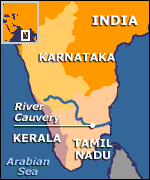
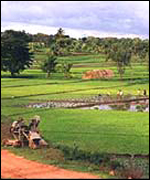
| | Thursday, 5 September, 2002, 11:30 GMT 12:30 UK India's age-old water dispute 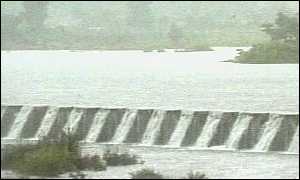 Farmers in the region rely on water from the river The Indian constitution defines Cauvery as an interstate river. The river originates in Karnataka, flows through Tamil Nadu, and parts of Kerala and Pondicherry. The dispute over its waters originated in the 19th Century during the British rule between the then Madras presidency (modern day Tamil Nadu) and the province of Mysore (now Karanataka).
Soon after, Kerala and Pondicherry, too, staked their claim to the river's waters. In 1976, a new agreement was signed between all four states. A report filed by a committee set up by the Indian Government in 1972, coupled with experts' recommendations, formed the basis of the new agreement. But the dispute continued following a failure to enforce the new treaty. Tribunal In the meantime, Tamil Nadu urged the central government to set up a river water tribunal, under the Inter-state Water Disputes Act (1956).
In 1990, however, the central government did set up a tribunal. The move followed a Supreme Court order issued during a hearing on a clutch of petitions filed by Tamil Nadu farmers. Since then, efforts to find a resolution to the dispute have continued. Petitions Observers say an interim order passed by the tribunal in 1991 only complicated matters. The tribunal ruled that Karnataka should release a specified quantity - 205 billion cubic feet of water - yearly. It even specified the quantity of water to be released every month. But a final decision on the issue was not taken. Tamil Nadu has been insisting on the implementation of the interim order and subsequently filed a petition in the Supreme Court for its enforcement. Experts say numerous petitions have only served to complicate matters. Both Tamil Nadu and Karanata have adopted an indifferent approach. Discontent Karnataka has argued that it was a princely state during the British rule while Tamil Nadu was under the direct colonial rule of the British. Therefore, it says the 1924 agreement failed to do justice to its demands. According to Karnataka, the river originates in its territory - therefore it should be given absolute right over the usage of the river water. But Tamil Nadu maintains that it should continue to get the quantity of water entitled to the state under the 1924 treaty. Experts say legal options to end the long-standing dispute already exist. But any resolution to end the crisis will have to wait until the politicking surrounding the water disputes in the four states is brought to an end. | | Top South Asia stories now:  Links to more South Asia stories are at the foot of the page. | |||||||||||||||||||||||||||||||||||||||||||||||||||||||||||||||||||||||||||||||||||||||||||||||||||||||||||||||||||||||||||||||||||||||||||||||||||||||||||||||
| |
|  E-mail this story to a friend E-mail this story to a friend |
| |
| Links to more South Asia stories |
| | | ||
 | ||||
 | | Back to top
| ||
| ---------------------------------------------------------------------------------- To BBC Sport>> | To BBC Weather>> | To BBC World Service>> ---------------------------------------------------------------------------------- © MMIII | News Sources | Privacy |