|
 |
 | | | | | | |||||||||||||||||||||||||||||||||||||||||||||||||||||||||||||||||||||||||||||||||||||||||||||||||||||||||||||||||||||||||||||||||||||||||||||||||||||||||||||||||||||||||||||||||
| | | You are in: South Asia | |||||||||||||||||||||||||||||||||||||||||||||||||||||||||||||||||||||||||||||||||||||||||||||||||||||||||||||||||||||||||||||||||||||||||||||||||||||||||||||||||||||||||||||||||||
|
| | Thursday, 15 August, 2002, 06:57 GMT 07:57 UK Analysis: Vajpayee falls short 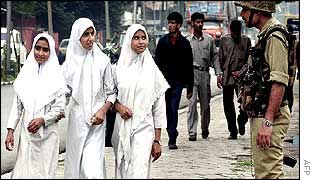 Kashmir goes to the polls next month
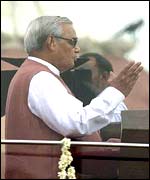
But it did not produce what some had hoped for - a bold announcement on Kashmir that would encourage separatist groups to participate in forthcoming elections. Prime Minister Atal Behari Vajpayee also disappointed many when he made only a passing reference to recent religious violence in Gujarat state. Mr Vajpayee spoke largely on his government's achievements and challenges before the country such as providing drinking water and education to villagers. Pakistan He began his speech by attacking Pakistan for what he described as its unabated sponsorship of terrorism in Kashmir. In a veiled reference to President Pervez Musharraf's comments on the Kashmir elections, Mr Vajpayee said that India needed no lessons in democracy from Pakistan.
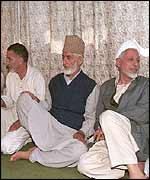
But the prime minister softened his comments by saying that India did not want war and that he was keen to hold talks with Pakistan, if the atmosphere was "congenial". He also repeated India's long-standing viewpoint, that Kashmir was an integral part of the country. Jammu and Kashmir is India's only Muslim majority state and Mr Vajpayee said for Indians the state was a symbol of its secularism. Kashmir polls Mr Vajpayee's comments on Kashmir come at a time when preparations are on to hold elections there. India is anxious to show to the world that the elections will be fair and will usher in a legitimate government. It appears unlikely that Mr Vajpayee will visit the state before the elections take place next month. Observers had therefore expected him to use his speech to make a special announcement that would soften the hard stand against elections taken by Kashmiri separatists.
But there was nothing in Mr Vajpayee's independence day speech that is likely to encourage the Hurriyat to change its mind. Gujarat riots Mr Vajpayee was equally reticent about Gujarat where Hindu-Muslim riots six months ago left over a thousand people, mainly Muslims, dead. The events in Gujarat are still hugely controversial in India, but Mr Vajpayee's only comment was to say that violence had no place in national life. The Indian prime minister also highlighted the achievements of his coalition government Despite doubts over the viability of his multi-party coalition, his government had not only functioned smoothly but also provided stability, he said. Mr Vajpayee has been prime minister for over four years. He has of late been unwell and now has a strong deputy in the hardline Home Minister, LK Advani, who is seen by many as being in charge. But Mr Vajpayee, a moderate, still enjoys considerable support from his allies. | |
See also:  06 Aug 02 | South Asia 30 Jul 02 | South Asia 15 Aug 02 | South Asia Internet links: The BBC is not responsible for the content of external internet sites Top South Asia stories now: Links to more South Asia stories are at the foot of the page. | |||||||||||||||||||||||||||||||||||||||||||||||||||||||||||||||||||||||||||||||||||||||||||||||||||||||||||||||||||||||||||||||||||||||||||||||||||||||||||||||||||||||||||||||||
| |
|  E-mail this story to a friend E-mail this story to a friend |
| |
| Links to more South Asia stories |
| | | ||
 | ||||
 | | Back to top
| ||
| ---------------------------------------------------------------------------------- To BBC Sport>> | To BBC Weather>> | To BBC World Service>> ---------------------------------------------------------------------------------- © MMIII | News Sources | Privacy |