|
 |
 | | | | | | |||||||||||||||||||||||||||||||||||||||||||||||||||||||||||||||||||||||||||||||||||||||||||||||||||||||||||||||||||||||||||||||||||||||||||||||||||||||||||||||||||||||||||||||||||||||
| | | You are in: South Asia | |||||||||||||||||||||||||||||||||||||||||||||||||||||||||||||||||||||||||||||||||||||||||||||||||||||||||||||||||||||||||||||||||||||||||||||||||||||||||||||||||||||||||||||||||||||||||
|
| | Thursday, 25 July, 2002, 14:56 GMT 15:56 UK Post-Taleban opium boom 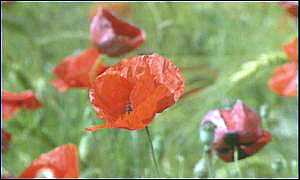 The Taleban clamped down on opium growth
The BBC's Kate Clark explains how the Taleban kept opium poppy cultivation under control, following a BBC investigation into its current growth in a province of Afghanistan. It found only a tiny fraction of the crop was destroyed this year, despite an official government ban. The nationwide picture is still unclear, but it seems unlikely early Afghan government claims that almost all the poppy crop had been destroyed can be true. Some 75% of Europe's heroin comes from Afghan opium. In areas under Taleban control the crop had virtually been eliminated. Eradicating the cultivation of opium poppies was one of the Taleban's few triumphs.
But when they were defeated, farmers started planting again, leaving the new government with the tough job of destroying one of the few cash crops in this poor country. Assessing the success of their programme is difficult - the United Nations drugs agency has said it was too dangerous to send monitors to the main poppy growing areas in the south and east. But there have been complaints from farmers that state compensation has not been paid and concerns farmers have been trying to defraud the government. In some places I've visited, people said state officials had not even turned up to offer compensation. 'Militias' The north-eastern province of Badakhshan, which remained under Northern Alliance control, was never subject to the Taleban ban and according to a BBC investigation, cultivation there has still been barely touched. Dealers had been running down their stocks of Afghan opium and heroin since the Taleban ban. If fresh supplies come into Europe this year it will be clear that the Afghan government's efforts to suppress the crop have failed. But it was always going to be a difficult task.
The Taleban had religious zeal and an effective state security apparatus on their side. The new government in Kabul has to rely on a patchwork of militias and factions, some of whom are heavily involved in the drugs trade themselves. Only 1% of the international opium profits come to Afghan farmers and dealers. But that's a huge amount of cash here and one reason for the resistance to destroying the opium poppy crop. | |
See also:  25 Jul 02 | South Asia 23 Jul 02 | South Asia 22 Jul 02 | South Asia 20 Apr 02 | South Asia 21 Feb 02 | South Asia 04 Oct 01 | South Asia Internet links: The BBC is not responsible for the content of external internet sites Top South Asia stories now: Links to more South Asia stories are at the foot of the page. | |||||||||||||||||||||||||||||||||||||||||||||||||||||||||||||||||||||||||||||||||||||||||||||||||||||||||||||||||||||||||||||||||||||||||||||||||||||||||||||||||||||||||||||||||||||||
| |
|  E-mail this story to a friend E-mail this story to a friend |
| |
| Links to more South Asia stories |
| | | ||
 | ||||
 | | Back to top
| ||
| ---------------------------------------------------------------------------------- To BBC Sport>> | To BBC Weather>> | To BBC World Service>> ---------------------------------------------------------------------------------- © MMIII | News Sources | Privacy |