|
 |
 | | | | | | ||||||||||||||||||||||||||||||||||||||||||||||||||||||||||||||||||||||||||||||||||||||||||||||||||||||||||||||||||||||||||||||||||||||||||||||||||||||||||||||||||||||||||||||||||||||||||||||||||||||||||||||||||||||||||||||||
| | | You are in: South Asia | ||||||||||||||||||||||||||||||||||||||||||||||||||||||||||||||||||||||||||||||||||||||||||||||||||||||||||||||||||||||||||||||||||||||||||||||||||||||||||||||||||||||||||||||||||||||||||||||||||||||||||||||||||||||||||||||||||
|
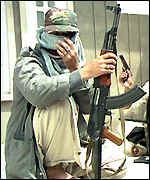
| | Sunday, 26 May, 2002, 16:37 GMT 17:37 UK Pakistan presses on with missile tests More than a million troops are massed on the border Pakistan has carried out its second test-firing of a ballistic missile in two days. It ignored widespread international concern over the first test on Saturday, at a time when relations with neighbouring India are extremely tense.
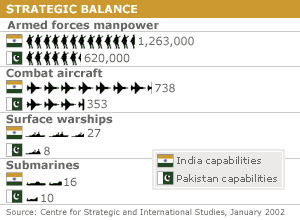
And in a speech carried live on television, Prime Minister Atal Behari Vajpayee repeated that India's patience was running out with militant attacks in Indian-Kashmir that Delhi blames on Pakistan. US President George Bush has urged the two countries to show restraint, and expressed "strong reservations" about Pakistan's new missile tests. Visiting France on the latest stage of his European tour, Mr Bush urged the Pakistani Government to show results in preventing militants carrying out attacks in India. He said stopping people crossing Pakistan's border with India was more important than the missile tests. Urgency to act Mr Vajpayee said: "In this hour of crisis, we should unitedly prepare to defend ourselves'". "The nation should stand shoulder to shoulder against the challenge. We want victory, victory over terrorism." Click here for the strategic balance between India and Pakistan India began the initial military build-up along the border after a bloody attack by militants on the federal parliament in Delhi last December. In his remarks, Mr Vajpayee said India ought to have responded to that attack. He did not elaborate.
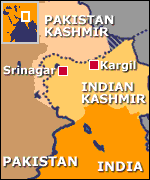
Tension between the two nuclear powers rose again in mid-May 2002 after an attack on an army base in Kashmir in which more than 30 people died. Their armed forces continue to fire at one another across the line of control in the disputed territory of Kashmir, and their international border. In the latest violence, the authorities in the Indian-administered part of Kashmir said at least five people, including two children, were killed and eight others injured during Pakistani shelling in two border villages. And 15,000 residents in the area have fled their homes after villages close to the border were hit by Pakistani shells. 'Balancing act' Sunday's test-fire was of a new Pakistani weapon - a short-range surface-to-surface missile, the Ghaznavi. It has a range of 290 kilometres (176 miles) and is probably capable of delivering both conventional and nuclear warheads. The first test, on Saturday, involved a medium-range Ghauri missile, which has a range of 1,500 kilometres (900 miles).
Pakistan argues that it has been holding back while India tested new missiles, and this is about achieving a strategic balance in the region. The BBC's Mike Wooldridge, in the Pakistani capital Islamabad, says India's apparent unwillingness to go in for any kind of retaliatory measure may give some reassurance about the impact of the missile testing on the critical situation on the India-Pakistan border. But he adds that it is also clear that the latest has added to the urgency of the international efforts to persuade India and Pakistan to take steps to reduce rather than increase the tension. Delhi has repeatedly insisted it will not enter talks with Islamabad over Kashmir until Pakistan stops backing militants - an accusation Pakistan denies. General Musharraf, in an interview with the Washington Post, denied that he was backtracking on his commitment to take tough action against the militants. He also said he did not think he would ever reach the stage of having to decide whether to use nuclear weapons. | |
See also:  24 May 02 | South Asia 23 May 02 | South Asia 23 May 02 | South Asia 23 May 02 | South Asia 23 May 02 | Media reports 22 May 02 | South Asia 17 Jan 01 | South Asia Internet links: The BBC is not responsible for the content of external internet sites Top South Asia stories now: Links to more South Asia stories are at the foot of the page. | ||||||||||||||||||||||||||||||||||||||||||||||||||||||||||||||||||||||||||||||||||||||||||||||||||||||||||||||||||||||||||||||||||||||||||||||||||||||||||||||||||||||||||||||||||||||||||||||||||||||||||||||||||||||||||||||||
| |
| Links to more South Asia stories |
| | | ||
 | ||||
 | | Back to top
| ||
| ---------------------------------------------------------------------------------- To BBC Sport>> | To BBC Weather>> | To BBC World Service>> ---------------------------------------------------------------------------------- © MMIII | News Sources | Privacy |