By Richard Black
Environment correspondent, BBC News website, The Hague |

 | Red coral is valuable and widely traded 
|
The global body regulating the wildlife trade has voted to protect the red and pink corals widely used in jewellery. Corals of the genus Corallium are to be listed on Appendix 2 of the Convention on International Trade in Endangered Species (CITES).
Over-harvesting in the Mediterranean and western Pacific has caused major declines in recent years.
It is said a spectacular Corallium necklace can fetch up to $20,000 (�10,000) in US boutiques.
Campaigners professed they were delighted with the outcome.
"Red coral is the most valuable and widely traded out of all the coral species, and CITES protection will help ensure the future of the species and the red coral industry," said Andy Bruckner, from the National Oceanic and Atmospheric Administration (Noaa) and a member of the US delegation.
"We are pleased that the international community has recognised the threats Corallium faces, and is taking the necessary steps to safeguard these species."
Treasured goods
An Appendix 2 listing does not prevent international trade, but permits will only be issued on deals that do not compromise the health of wild populations.
 Corals are also damaged by some intensive fishing methods |
Resistance came from organisations representing Italian coral harvesters. The trade has been worth hundreds of millions of dollars annually to the village of Torre del Greco - in Italy's Campania region - alone.
"The proposal will not have any effect on the real conservation needs of this species," read a statement from the trade body Assocoral.
"It will create only bureaucracy and problems which will jeopardise the conservation efforts that many countries are engaged in."
Assocoral also pointed out that no Corallium species was currently on the internationally recognised Red List of Threatened Species.
 Coral necklaces fetch high prices in US boutiques |
This situation led to fraught negotiations between European Union delegations, which always vote as a bloc in CITES matters. The difficulties were smoothed over with a little help from the US, which found language to ameliorate Italian concerns.
Implementation will be delayed for 18 months, and individuals will be able to carry a personal allowance of up to seven pieces of finished jewellery.
Support for the resolution came from a number of fashion houses which manufacture and sell coral jewellery.
"We believe that coral harvesting as currently practised is not sustainable and threatens marine ecosystems," said Fernanda Kellogg from Tiffany and company.
"We will not use this precious material in our jewellery until harvesting methods have been adopted that ensure the sustainability of coral reefs."
Following this resolution, coral jewellers, and those who like their wares, are in principle assured of a supply of this beautiful material which comes with sustainability guaranteed.
[email protected]


 One-Minute World News
  News services


 E-mail this to a friend
  Printable version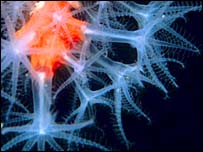
 Enlarge Image


