|
 |
 | | | | | | ||||||||||||||||||||||||||||||||||||||||||||||||||||||||||||||||||||||||||||||||||||||||||||||||||||||||||||||||||||||||||||||||||||||||||||||||
| | | You are in: Science/Nature | ||||||||||||||||||||||||||||||||||||||||||||||||||||||||||||||||||||||||||||||||||||||||||||||||||||||||||||||||||||||||||||||||||||||||||||||||||
|
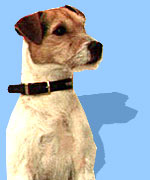
| | Monday, 29 November, 1999, 17:46 GMT How old is that doggy?  Longevity data have rarely been kept
The survey, published in the Veterinary Record, asked more than 3,000 owners to provide information about their animal's breed, lifespan and cause of death. The survey has thrown up interesting new information about pet longevity and the diseases affecting the nation's domestic animals. It also underlines the fact that different breeds have very different lifespans.
He said it would provide absolutely vital, baseline scientific information - as well as giving owners a better idea of how long their pets were likely to be with them. The results show the mean age at death - for all breeds and all causes of death - is 11 years, one month. The age is slightly higher in dogs dying of old age at 12 years, eight months. According to the study, only 8% of dogs lived beyond 15, and 64% died of disease or were put to sleep because of their illness. Mongrels lived longer than most pedigree dogs, but a few pure breeds did outlive the mongrels. These included Jack Russells (13.6 yrs), whippets (14.3) and miniature poodles (14.8). Genome projects Nearly 16% of deaths were attributed to cancer, twice as many as to heart disease. The survey also found that neutered females lived longer than males or intact females. "For those who are interested in the biological causes of longevity - which hugely affects us, of course, as human beings - what better species to study than the dog when we know there are considerable differences in longevity between breeds that are remarkably similar," said Professor Michell.
The benefits of comparative genomics will go both ways. Dogs and humans share genes for a number of illnesses - blindness, epilepsy, and some cancers - and any new therapies are likely to work for both. Professor Michell says we should forget the idea that six years of human life equates to one year of dog life. "It's a nonsense. Like many other things about dogs, longevity depends on the breed." | | See also:  05 Jul 99 | Science/Nature 23 Aug 99 | Science/Nature 08 Nov 99 | Health Internet links: The BBC is not responsible for the content of external internet sites Top Science/Nature stories now: Links to more Science/Nature stories are at the foot of the page. | ||||||||||||||||||||||||||||||||||||||||||||||||||||||||||||||||||||||||||||||||||||||||||||||||||||||||||||||||||||||||||||||||||||||||||||||||
|  |
|  E-mail this story to a friend E-mail this story to a friend |
 | |
| Links to more Science/Nature stories |
| | | ||
 | ||||
 | | Back to top
| ||
| ---------------------------------------------------------------------------------- To BBC Sport>> | To BBC Weather>> | To BBC World Service>> ---------------------------------------------------------------------------------- © MMIII | News Sources | Privacy |