|
 |
 | | | | | | |||||||||||||||||||||||||||||||||||||||||||||||||||||||||||||||||||||||||||||||||||||||||||||||||||||||||||||||||||||||||||||||||||||||||||||||||||||||||||||||||||||||||||||
| | | You are in: Science/Nature | |||||||||||||||||||||||||||||||||||||||||||||||||||||||||||||||||||||||||||||||||||||||||||||||||||||||||||||||||||||||||||||||||||||||||||||||||||||||||||||||||||||||||||||||
|
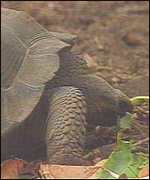
| | Tuesday, 9 November, 1999, 19:53 GMT Loneliest tortoise may find mate  Only 11 subspecies of tortoise remain in the Galapagos The loneliest creature in the world may have found a mate thanks to a DNA study by US researchers. "Lonesome George", 77, is the last remaining male of a subspecies of the giant Galapagos tortoise and is named by the Guinness Book of Records as the Earth's loneliest animal. But his solitude could be over as the scientists have now identified his most closely related females on an island 320 kilometres (200 miles) away. "The Darwin Research Station has been trying to mate him with females from the islands closest to his, but he doesn't seem interested," said Professor Jeffrey Powell of Yale University. "But we found from our DNA studies that he is most closely related to a subspecies on the islands farthest from his." The DNA tests required the huge beasts, which can weigh up to 300 kilograms (650 pounds), to be rolled on to their backs so that a blood sample could be taken.
To test this theory, they studied the skins of stuffed tortoises collected on Pinta in 1906. The DNA sequenced from these skins was found to be identical to George's, supporting the belief that George is native to Pinta and truly the last survivor of his lineage. George's mate was killed 25 years ago, but the genetic matchmaking now gives hope of finding an appropriate mate. Giant tortoises are renowned for their size, being up to 150 cm (five feet) in length. They also contributed to the development of Charles Darwin's theory of natural selection. Darwin recognised that the isolation of the Galapagos Islands off the coast of Ecuador in the Pacific Ocean encouraged specific adaptations to local environments. At one time there were 15 different subspecies of tortoise in the Galapagos, but only 11 now remain. The extinctions were caused by heavy trapping in the 19th Century and the destruction of habitats by feral animals abandoned on the islands. The study is published in the Proceedings of the National Academy of Sciences and also involved scientists from the State University of New York. | |
See also:  08 Oct 98 | Americas 14 Jun 99 | Science/Nature 15 Jul 99 | Science/Nature 27 Aug 99 | Science/Nature 04 Nov 99 | Science/Nature Internet links: The BBC is not responsible for the content of external internet sites Top Science/Nature stories now: Links to more Science/Nature stories are at the foot of the page. | |||||||||||||||||||||||||||||||||||||||||||||||||||||||||||||||||||||||||||||||||||||||||||||||||||||||||||||||||||||||||||||||||||||||||||||||||||||||||||||||||||||||||||||
|  |
|  E-mail this story to a friend E-mail this story to a friend |
 | |
| Links to more Science/Nature stories |
| | | ||
 | ||||
 | | Back to top
| ||
| ---------------------------------------------------------------------------------- To BBC Sport>> | To BBC Weather>> | To BBC World Service>> ---------------------------------------------------------------------------------- © MMIII | News Sources | Privacy |