|
 |
 | | | | | | ||||||||||||||||||||||||||||||||||||||||||||||||||||||||||||||||||||||||||||||||||||||||||||||||||||||||||||||||||||||||||||||||||||||||||||||||||||||||||||||||||||||
| | | You are in: Science/Nature | ||||||||||||||||||||||||||||||||||||||||||||||||||||||||||||||||||||||||||||||||||||||||||||||||||||||||||||||||||||||||||||||||||||||||||||||||||||||||||||||||||||||||
|
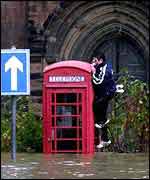
| | Wednesday, 29 January, 2003, 16:58 GMT Fifty years on, UK flood risk remains  Fifty-eight people died on Canvey Island in the 1953 floods (Image: Environment Agency)
The 1953 disaster was caused by a combination of a strong storm surge and an unusually high tide.
Rising sea levels in much of south-eastern England are predicted to make matters worse. The floods 50 years ago caused havoc down the eastern coast of England, killing 307 people, forcing the evacuation of 30,000 more, and damaging or destroying 24,000 homes.
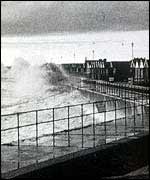
One train on a line in Norfolk collided with a bungalow "travelling on the crest of a wave", and was stuck for six hours.
But human shortcomings made the natural disaster much worse than it would have been today. In 1953, there were no satellites or computers, nor any single body responsible for flood warnings. Counties in southern England received virtually no warning until it was too late. And there was no co-ordination between the UK and the Dutch warning system, though both countries faced a common threat (1,800 Dutch lives were lost). The threat of another 1953 flood is growing steadily, though modern technology should ensure that fewer people would drown. Two factors underlie the increasing risk.
Storms to come The first is a legacy of the last ice age. The south-eastern part of the UK is gradually settling lower into the sea while the north-west rises, the result of the land slowly springing back after the disappearance of the ice-sheet.
Climate change is expected to mean more frequent and more severe storms in the UK. And storm surges will inevitably continue to rage down the North Sea. They occur when a trough of low pressure moves across the Atlantic towards the British Isles. Fatal funnelling The sea beneath it rises, creating a "hump" of water which moves eastwards with the depression. A surge occurs if this mass of water from the deep ocean reaches the shallow southern part of the North Sea.
That is just what happened in 1953, when the surge raised sea levels to 1.5-2 metres above their predicted levels. Sean Clarke, of the UK Met Office, told BBC News Online: "It's like an asteroid strike. It's only a matter of time before the same thing happens again. Systems reassurance "But with climate change as an additional factor, surges will happen more often, and the risk is increasing. "The return period for a 1.5 m surge in the North Sea - the interval over which you'd expect it to happen again at least once - is 120 years at the moment. "By the 2080s we expect a 1.5 m storm surge could happen in the North Sea at least once every seven years. "But our warning systems are a lot better than they were then, so loss of life on the scale of 1953 is pretty unlikely." | | See also:  23 Jan 03 | England 23 Jan 03 | England 22 Aug 02 | England Internet links: The BBC is not responsible for the content of external internet sites Top Science/Nature stories now: Links to more Science/Nature stories are at the foot of the page. | ||||||||||||||||||||||||||||||||||||||||||||||||||||||||||||||||||||||||||||||||||||||||||||||||||||||||||||||||||||||||||||||||||||||||||||||||||||||||||||||||||||||
 | |
|  E-mail this story to a friend E-mail this story to a friend |
| |
| Links to more Science/Nature stories |
| | | ||
 | ||||
 | | Back to top
| ||
| ---------------------------------------------------------------------------------- To BBC Sport>> | To BBC Weather>> | To BBC World Service>> ---------------------------------------------------------------------------------- © MMIII | News Sources | Privacy |






 By the 2080s we expect a 1.5 m storm surge could happen in the North Sea at least once every seven years