|
 |
 | | | | | | |||||||||||||||||||||||||||||||||||||||||||||||||||||||||||||||||||||||||||||||||||||||||||||||||||||||||||||||||||||||||||||||||||||||||||||||||||||||||||||||||||||||||||||||||||||||||||||||
| | | You are in: Science/Nature | |||||||||||||||||||||||||||||||||||||||||||||||||||||||||||||||||||||||||||||||||||||||||||||||||||||||||||||||||||||||||||||||||||||||||||||||||||||||||||||||||||||||||||||||||||||||||||||||||
|
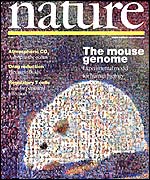
| | Wednesday, 4 December, 2002, 19:01 GMT Mouse clues to human genetics  The genetic make-up of the mouse has been published for the first time in a scientific journal. The mouse "book of life" reveals that humans and mice share at least 80% of their genes, with only 300 unique to either organism.
Many are involved in cancer and other human diseases and will help the search for new medical treatments. The mouse data have been produced by a number of US and UK institutions, funded by the National Institutes of Health in America and the Wellcome Trust in Britain. A private US company has already read the mouse genome but its research is not freely available to scientists - they must pay for access. In contrast, the work done by the international consortium has been posted on the net and is available to all. Mouse 'phrasebook' The public draft of the mouse genetic code - published in Nature - covers about 95% of the genome. It shows that about 80% of genes in mice and men are like for like. But if one considers just the different classes of genes - mice have more genes involved in reproduction and smell, for example - then the similarity rises to 99%.
"The entire biomedical research community can for the first time fully use this resource to tackle human diseases," said Dr Jane Rogers, head of sequencing. "They now have powerful tools that will serve them for many decades to come. "We share 99% of our genes with mice, and we even have the genes that could make a tail." Human diseases The information will prove crucial to researchers investigating the human genome, the complete set of biochemical instructions used by cells to build and maintain our bodies.
Comparing the two genomes will help scientists understand how our cells work and why we get ill when one or more of our genes malfunction. "We have learnt a huge amount about human medical problems by studying mouse genetics," said Professor Robert Winston, director of NHS research and development at Imperial College, Hammersmith Hospital, in London. "This new landmark announcement is of immense importance and will undoubtedly further our understanding of the molecular basis for human diseases and the treatment of the widest range of human disorders." Knock-out experiments Scientists can work out what human genes do by "knocking out" similar looking genes in mice and studying the results. Researchers can also trace the malfunctioning genes responsible for disease by examining sick mice that display symptoms apparently similar to human conditions.
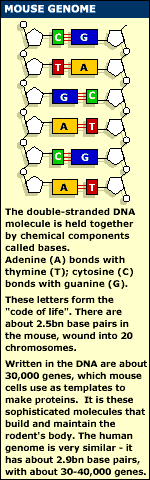
He told BBC News Online: "By doing a few experiments in a mouse you can get information on a disease that's going to impact on the lives of hundreds of millions of people." The mouse genome is bundled into 20 chromosome pairs and the latest analysis suggests that it is about 2.5 billion base pairs, or "letters", in size. This makes it slightly shorter than the human genome, which has about 2.9 billion base pairs spread out over 23 pairs of chromosomes. The analysis also suggests the rodent has about 30,000 genes, a figure broadly similar to humans. | |
See also:  14 Apr 02 | Science/Nature 06 May 02 | Science/Nature 04 Apr 02 | Science/Nature 27 Apr 01 | Science/Nature Internet links: The BBC is not responsible for the content of external internet sites Top Science/Nature stories now: Links to more Science/Nature stories are at the foot of the page. | |||||||||||||||||||||||||||||||||||||||||||||||||||||||||||||||||||||||||||||||||||||||||||||||||||||||||||||||||||||||||||||||||||||||||||||||||||||||||||||||||||||||||||||||||||||||||||||||
| |
|  E-mail this story to a friend E-mail this story to a friend |
| |
| Links to more Science/Nature stories |
| | | ||
 | ||||
 | | Back to top
| ||
| ---------------------------------------------------------------------------------- To BBC Sport>> | To BBC Weather>> | To BBC World Service>> ---------------------------------------------------------------------------------- © MMIII | News Sources | Privacy |