
|
 |
 | | | | | | ||||||||||||||||||||||||||||||||||||||||||||||||||||||||||||||||||||||||||||||||||||||||||||||||||||||||||||||||||||||||||||||||||||||||||||||||||||||||||||||||||||
| | | You are in: Science/Nature | ||||||||||||||||||||||||||||||||||||||||||||||||||||||||||||||||||||||||||||||||||||||||||||||||||||||||||||||||||||||||||||||||||||||||||||||||||||||||||||||||||||||
|
| | Monday, 18 November, 2002, 13:25 GMT Weevil woe for UK gardeners 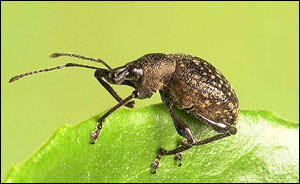 UK gardeners are facing a new and formidable foe. Beetle experts say two species of vine weevil normally restricted to continental Europe have been found thriving in many British cities. One of the insects, called the armadillo weevil (Otiorhynchus armadillo), has been sighted in London, Surrey, South Wales and Southern Scotland. The creatures have a voracious appetite for the leaves and roots of garden plants and are capable of doing more damage than their gentler, native cousins. Stocky creature Max Barclay, curator of beetles at The Natural History Museum, said: "It's very likely these weevils have been introduced to Britain through imported ornamental plants from Italy. "Females are capable of laying over 100 eggs per year and the weevils appear to be thriving despite the colder British climate, possibly assisted by lack of predators and parasites. "They have been very destructive to southwest London gardens and are now found in other UK cities. It looks like they're here to stay." The two vine weevils are very similar in appearance, though O. armadillo is usually 9.5-11 millimetres long with black or red legs, and O. salicicola is 12-13.5 mm long, more stocky, and with black legs. Chelsea shop Weevils are a subgroup of beetles with over 57,000 species, characterised by their long nose-like snout. Vine weevils attack a wide range of plants with tough waxy leaves, such as laurel, bay, Viburnum, ornamental ivy, and of course, grape vines. Adults eat notches out of the sides of the leaves; the soil-living larvae can kill pot plants by biting the roots off below the surface. Max Barclay was the first to discover the armadillo weevil on the window of a Chelsea shop in 1998. More serious It was initially thought of as a freak, but more findings since then have confirmed the armadillo now has a major presence in the capital. Mr Barclay told BBC News Online: "This has the potential to be a more serious pest than what we already have. "It's caused a lot of damage, but I don't know what can be done. People may have to resign themselves to the fact they may lose a few trunks." O. salicicola, a close relation to the armadillo, is also known to have been colonising south-west London since 2000, though not in such large numbers. | |
See also:  07 Nov 02 | Science/Nature 24 Apr 02 | Science/Nature 22 May 01 | Science/Nature 21 Apr 99 | Science/Nature Internet links: The BBC is not responsible for the content of external internet sites Top Science/Nature stories now: Links to more Science/Nature stories are at the foot of the page. | ||||||||||||||||||||||||||||||||||||||||||||||||||||||||||||||||||||||||||||||||||||||||||||||||||||||||||||||||||||||||||||||||||||||||||||||||||||||||||||||||||||
| |
|  E-mail this story to a friend E-mail this story to a friend |
| |
| Links to more Science/Nature stories |
| | | ||
 | ||||
 | | Back to top
| ||
| ---------------------------------------------------------------------------------- To BBC Sport>> | To BBC Weather>> | To BBC World Service>> ---------------------------------------------------------------------------------- © MMIII | News Sources | Privacy |






