|
 |
 | | | | | | ||||||||||||||||||||||||||||||||||||||||||||||||||||||||||||||||||||||||||||||||||||||||||||||||||||||||||||||||||||||||||||||||||||||||||||||
| | | You are in: Science/Nature | ||||||||||||||||||||||||||||||||||||||||||||||||||||||||||||||||||||||||||||||||||||||||||||||||||||||||||||||||||||||||||||||||||||||||||||||||
|
| | Tuesday, 12 November, 2002, 17:25 GMT Progress on space station 'lifeboat' 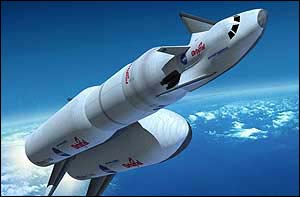 An advanced space plane and launcher concept
At present, the emergency evacuation of the ISS is in the hands of the Russians, who provide their tried and tested Soyuz capsules - but this deal will soon expire. Also, the Soyuz can only carry three people and this has limited the crew of the ISS to what many believe is an unproductive small number. Nasa will ask Congress for permission to reorganise its budget to make the production of the new vehicles possible. Cancelled project Some analysts accuse Nasa of dragging its feet over the question of a new orbiter and a new ISS return capsule. Time is a key issue in spacecraft development.
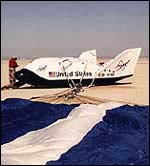
The current arrangement with Russia to provide the Soyuz rescue vehicles on the ISS expires in 2006 and Energia, the company that manufactures the capsules, says it may not be able to make any more after that date even if it wanted to. Anti-proliferation legislation would also probably block Nasa from buying extra Soyuz capsules anyway. The agency finds itself in a doubly difficult situation because it actually terminated its own X-38 ISS lifeboat project earlier this year. This vehicle was two years from completing its flight-test phase when budget pressures forced its cancellation. Partner complaints So what is the ISS to do for a rescue vehicle after 2006? One plan that could be feasible in the short term calls for a basic return-to-Earth-only rescue capsule, which could be delivered empty to the ISS in a few years' time by a heavy-lift version of the forthcoming Delta IV rocket. Later, the capsule could be upgraded to fly up and down with crews on a new man-rated reusable launch vehicle - the original goal of Nasa's Space Launch Initiative (SLI) programme. The agency has received complaints from its international partners that the three-person crew of the ISS is just not big enough to carry out meaningful scientific and engineering research. Nasa's chief, Sean O'Keefe, has been trying to answer these concerns but has been hampered by a $4.8bn shortfall on ISS funding - a factor that led the agency to limit the platform crew in the first place to the number that can be rescued by a single Soyuz capsule. New future Nasa will now refocus its SLI to address the ISS rescue problem as well as providing a new space shuttle, an orbital space plane, and a new way to launch them, as soon as is practicable. The agency will ask Congress this week for permission to amend its budget so that it can spend more money on the new vehicles. O'Keefe is expected to provide more technical details soon. "We're not just designing a launch vehicle," says Dennis Smith of Nasa's Marshall Spaceflight Center, "we're designing the complete system." But critics are wondering just how long it will take to convert the impressive concepts into engineering reality, and how much it will cost. | | See also:  13 May 02 | Science/Nature 01 Mar 01 | Science/Nature 26 Sep 02 | Science/Nature Internet links: The BBC is not responsible for the content of external internet sites Top Science/Nature stories now: Links to more Science/Nature stories are at the foot of the page. | ||||||||||||||||||||||||||||||||||||||||||||||||||||||||||||||||||||||||||||||||||||||||||||||||||||||||||||||||||||||||||||||||||||||||||||||
| |
|  E-mail this story to a friend E-mail this story to a friend |
| |
| Links to more Science/Nature stories |
| | | ||
 | ||||
 | | Back to top
| ||
| ---------------------------------------------------------------------------------- To BBC Sport>> | To BBC Weather>> | To BBC World Service>> ---------------------------------------------------------------------------------- © MMIII | News Sources | Privacy |