|
 |
 | | | | | | ||||||||||||||||||||||||||||||||||||||||||||||||||||||||||||||||||||||||||||||||||||||||||||||||||||||||||||||||||||||||||||||||||||||||||||||||
| | | You are in: Science/Nature | ||||||||||||||||||||||||||||||||||||||||||||||||||||||||||||||||||||||||||||||||||||||||||||||||||||||||||||||||||||||||||||||||||||||||||||||||||
|
| | Monday, 9 September, 2002, 14:40 GMT 15:40 UK Life reached land a billion years ago 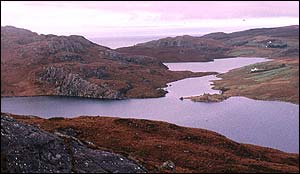 Torridon, an ancient landscape with traces of ancient life
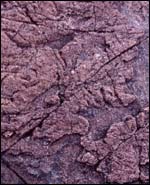
A geologist at the University of St Andrews, Scotland, Dr Tony Prave, has evidence that some ancient sandy surfaces were covered in a film of bacteria, a so-called biocrust. The rocks with the evidence for a biocrust are in the Torridon region of north-west Scotland, where they were laid down between 1,000 million and 543 million years ago. Ripples have been found that show the sand was being held together by a bacterial film. "This may be traces of the first creatures ever to live on the land," Dr Prave told BBC News Online. From the ocean A billion years ago the Earth was undergoing a series of cataclysmic changes. The composition of the atmosphere was fluctuating wildly. Climatic conditions went from extreme to extreme.
Most scientists believe that the land was barren and was not colonised by life until hundreds of millions of years later. But that picture may change if features seen in rocks by geologist Dr Tony Prave are what he thinks they are. "When you get up into the Torridon region you are looking at sandstones and shales, rocks with well understood mineralogical compositions. They record the history of a part of what was then North America." Then he looked closer. First land dwellers "Looking in detail at the sedimentary rocks I saw a particular series of features that seemed odd. I knew these rocks formed inland, in rivers, and not in the sea, but there were intriguing features on the surface of them that I had never seen before." What Dr Prave may have found is the first physical evidence for bacteria having colonised the land.
"I believe the sand was being held together in clumps by ancient bacteria that formed a film, a biocrust, over the surface. "If this is true then the invasion of the land had begun far earlier than we realised, by a billion years ago it was already underway." Writing in the journal Geology, he says that, unfortunately, all that remains of the first land dwellers are the matted clumps of sand they held together. It is not possible to tell very much about the organisms themselves. "The fascinating thing about bacteria is that today they seem to have an uncanny ability to live just about anywhere," he says. "And so it was a billion years ago. These ripples in the rocks are all that remains of the first creatures ever to live on the surface of our planet." | | See also:  08 Jul 02 | Science/Nature 04 Aug 00 | Science/Nature 25 Jun 98 | Science/Nature Internet links: The BBC is not responsible for the content of external internet sites Top Science/Nature stories now: Links to more Science/Nature stories are at the foot of the page. | ||||||||||||||||||||||||||||||||||||||||||||||||||||||||||||||||||||||||||||||||||||||||||||||||||||||||||||||||||||||||||||||||||||||||||||||||
| |
|  E-mail this story to a friend E-mail this story to a friend |
| |
| Links to more Science/Nature stories |
| | | ||
 | ||||
 | | Back to top
| ||
| ---------------------------------------------------------------------------------- To BBC Sport>> | To BBC Weather>> | To BBC World Service>> ---------------------------------------------------------------------------------- © MMIII | News Sources | Privacy |