
|
 |
 | | | | | | ||||||||||||||||||||||||||||||||||||||||||||||||||||||||||||||||||||||||||||||||||||||||||||||||||||||||||||||||||||||||||||||||||||||||||||||||||||||||||||||||||||||||||||||||||||||
| | | You are in: Science/Nature | ||||||||||||||||||||||||||||||||||||||||||||||||||||||||||||||||||||||||||||||||||||||||||||||||||||||||||||||||||||||||||||||||||||||||||||||||||||||||||||||||||||||||||||||||||||||||
|
| | Wednesday, 28 August, 2002, 21:29 GMT 22:29 UK Stem cell bank 'to get go-ahead' 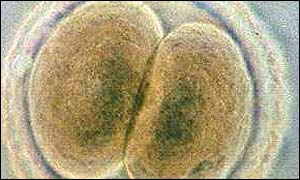 Human embryo research is highly controversial Plans for Britain's first stem cell bank are expected to be given the final go-ahead next month. The bank, run by the Medical Research Council (MRC), would collect stem cells from human embryos for medical research.
But there are fears that couples undergoing IVF treatment could be put under pressure to donate spare embryos to the bank. The London Fertility Clinic, says they are careful not to influence patients' decisions and they want that attitude enforced. Ian Craft said: "I think patients have been pressurised to give up embryos in the past, and I've always been very much against it," he told the BBC. "Infertile couples come to be made pregnant, they don't come to think about research and science." The Human Fertilisation and Embryology Authority (HFEA), which regulates embryo research, says guidelines are in place to protect patients. "The HFEA has laid down very strict guidelines which would mean that it would be absolutely wrong for any clinics to put pressure on patients to donate embryos for any use that they weren't giving full consent for," HFEA head Suzi Leather told the BBC. As the plans for the stem cell bank were unveiled, a British research team at King's College told the BBC that it had become the first in the UK to grow human embryonic stem cells. Dr Stephen Minger told BBC Two's Newsnight programme the cells had been growing for three weeks but that it was early days in the research. "What we hope to be able to do is to use these cells to generate cells that have therapeutic potential, for instance, cells that make particular types of neurons that can be used for repairing the nervous system or for regenerating the damaged heart tissue," he said. 'Master cells' The idea of a stem cell bank was floated by the influential UK body of scientists, the Royal Society, in a report in March 2000. It said the government should consider the feasibility of setting up frozen banks of stem cells - the "master" cells in the body that have the potential to develop into many different specialised cells. The cell bank was later recommended by a panel chaired by the Chief Medical Officer Sir Liam Donaldson. Parliament has agreed that embryos up to the age of 14 days could be used to get embryonic stem cells. Many scientists believe that by controlling the development of such cells they will be able to grow in the lab a range of tissues that could then be used to restore or replace diseased areas of the body. But the move is opposed by anti-abortion campaigners who argue that equally effective treatments could be developed without using embryos. Public debate Ms Leather says she hopes there will be a well-informed and widespread debate on the use of stem cells. "I think the majority of people will see that it would actually be wrong not to use this ability that nature has given us of providing cells for transplants and potentially treating or relieving human suffering," she said. The MRC is expected to announce the creation of the stem cell bank on 11 September. It is holding a conference - Stem cells: prospects for research and therapy - on that day. A spokesperson for the MRC told BBC News Online it was not in a position to make an announcement about a final decision, although the stem cell bank would be discussed at the conference. Although the plans have been agreed in principle nothing can be done without ministerial approval, which has not yet been received. | |
See also:  28 Aug 02 | Science/Nature 01 Mar 00 | Science/Nature 20 Jun 02 | Health 13 Mar 02 | Science/Nature 27 Feb 02 | Science/Nature 27 Feb 02 | Science/Nature Internet links: The BBC is not responsible for the content of external internet sites Top Science/Nature stories now: Links to more Science/Nature stories are at the foot of the page. | ||||||||||||||||||||||||||||||||||||||||||||||||||||||||||||||||||||||||||||||||||||||||||||||||||||||||||||||||||||||||||||||||||||||||||||||||||||||||||||||||||||||||||||||||||||||
| |
|  E-mail this story to a friend E-mail this story to a friend |
| |
| Links to more Science/Nature stories |
| | | ||
 | ||||
 | | Back to top
| ||
| ---------------------------------------------------------------------------------- To BBC Sport>> | To BBC Weather>> | To BBC World Service>> ---------------------------------------------------------------------------------- © MMIII | News Sources | Privacy |






