|
 |
 | | | | | | |||||||||||||||||||||||||||||||||||||||||||||||||||||||||||||||||||||||||||||||||||||||||||||||||||||||||||||||||||||||||||||||||||||||||||||||||||||||||||||||||||||
| | | You are in: Science/Nature | |||||||||||||||||||||||||||||||||||||||||||||||||||||||||||||||||||||||||||||||||||||||||||||||||||||||||||||||||||||||||||||||||||||||||||||||||||||||||||||||||||||||
|
| | Wednesday, 10 July, 2002, 18:00 GMT 19:00 UK 'It's a wonderful thing'
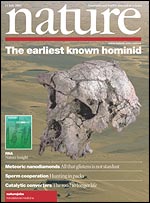
MB: You can see here that the brain case is very small, about the same size as a chimp. PG: Does that suggest anything about the way in which it walked? MB: At this time we have no legs. But this new guy, with this face, with this basic cranium, has characteristics which are known in bipedal hominids. It doesn't mean that he is bipedal, but he could be. PG: What's your emotion, because this is huge, isn't it? MB: It's a wonderful discovery, of course. It's a wonderful thing. But it's a discovery of all my team. And I think that it's wonderful, too, for Chadian people, because now the oldest hominid is in Chad. But there are, of course, a lot of questions with this new guy. For instance, he is the oldest one, OK, but with him you also have the fact that the last divergence between chimp and human is probably older than we were thinking before. PG: Scientifically it's incredible, but it's more than science, isn't it? There's something quite deep within us all that's fascinated at that moment in the time when the apes ended and humans began. Do you have a sense of peering into the mystery of what happened at that time? MB: It's a lot of emotion. It's a large part of my life, too. PG: Why is this find so special? MB: It's special because, as you know, nobody was thinking of the oldest hominid [being] west of the Rift [Valley]. At this time, around seven million years ago, you can see that this guy doesn't look like a chimp. It's not a gorilla, it's completely different. It's clearly a new guy, which is why we have named a new genus and a new species, and clearly you have hominid characteristics, human characteristics in the face, in the teeth and in the basic cranium. With the associated fauna we have a solid biochronological dating which is clearly older than six and probably around seven [million years]. PG: There is that forbidden phrase, "the missing link". You've been keen not to use that word. Is it not possible that this is the missing link? MB: No, I don't think so. Here you are not far from the divergence between chimp and human. But at this time we don't know what exactly happened. We just have a skull. If you want to look at the next known skull, you have to go to three million [years], four million [years] later. | |
See also:  10 Jul 02 | Science/Nature 10 Jul 02 | Science/Nature 10 Jul 02 | Science/Nature Internet links: The BBC is not responsible for the content of external internet sites Top Science/Nature stories now: Links to more Science/Nature stories are at the foot of the page. | |||||||||||||||||||||||||||||||||||||||||||||||||||||||||||||||||||||||||||||||||||||||||||||||||||||||||||||||||||||||||||||||||||||||||||||||||||||||||||||||||||||
| |
|  E-mail this story to a friend E-mail this story to a friend |
| |
| Links to more Science/Nature stories |
| | | ||
 | ||||
 | | Back to top
| ||
| ---------------------------------------------------------------------------------- To BBC Sport>> | To BBC Weather>> | To BBC World Service>> ---------------------------------------------------------------------------------- © MMIII | News Sources | Privacy |