|
 |
 | | | | | | |||||||||||||||||||||||||||||||||||||||||||||||||||||||||||||||||||||||||||||||||||||||||||||||||||||||||||||||||||||||||||||||||||||||||||||||||
| | | You are in: Science/Nature | |||||||||||||||||||||||||||||||||||||||||||||||||||||||||||||||||||||||||||||||||||||||||||||||||||||||||||||||||||||||||||||||||||||||||||||||||||
|
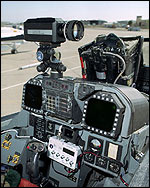
| | Thursday, 27 June, 2002, 09:49 GMT 10:49 UK Vulcan in the twilight zone The F-18 offers an excellent platform
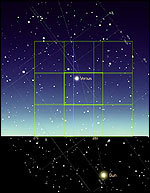
First postulated over a century ago, the Vulcanoids are thought to range in size from one to 25 kilometres. Finding them would change our understanding of the innermost region of our Solar System. If they do exist, it is possible they could still contain fragments of the earliest materials that formed next to our star when it was newborn. "Most comprehensive search" Durda and Stern are flying at a height of 15 kilometres (49,000 feet) to get the observing conditions that will best enable them to prove the belt's existence.
Named after the Roman god of fire, these asteroids would be exceedingly difficult to observe from the ground because of the Sun's glare and the distortion caused by the Earth's atmosphere. "Our Vulcanoids search programme, conducted from an altitude of 49,000 feet over the Mojave Desert, gave us a view of the twilight sky near the Sun that is far darker and clearer than can be obtained from the ground," says Dr Durda. Shuttle camera "This is the most comprehensive, constraining search yet conducted for these objects," adds Dr Stern, director of the SwRI Space Studies Department.
But to date, the asteroids have not been seen. Observations have only placed upper limits on how many might exist. The camera used in the latest search was originally conceived for the space shuttle. It is trained on the region of space close to the Sun after the star has dipped below the Earth's horizon. The camera grabs twilight images at a rate of 60 frames a second. The researchers are currently analysing their data. They hope to know whether the Vulcanoids exist in a month or two. | | See also:  17 May 02 | Science/Nature 11 Jun 01 | Science/Nature Internet links: The BBC is not responsible for the content of external internet sites Top Science/Nature stories now: Links to more Science/Nature stories are at the foot of the page. | |||||||||||||||||||||||||||||||||||||||||||||||||||||||||||||||||||||||||||||||||||||||||||||||||||||||||||||||||||||||||||||||||||||||||||||||||
| |
|  E-mail this story to a friend E-mail this story to a friend |
| |
| Links to more Science/Nature stories |
| | | ||
 | ||||
 | | Back to top
| ||
| ---------------------------------------------------------------------------------- To BBC Sport>> | To BBC Weather>> | To BBC World Service>> ---------------------------------------------------------------------------------- © MMIII | News Sources | Privacy |